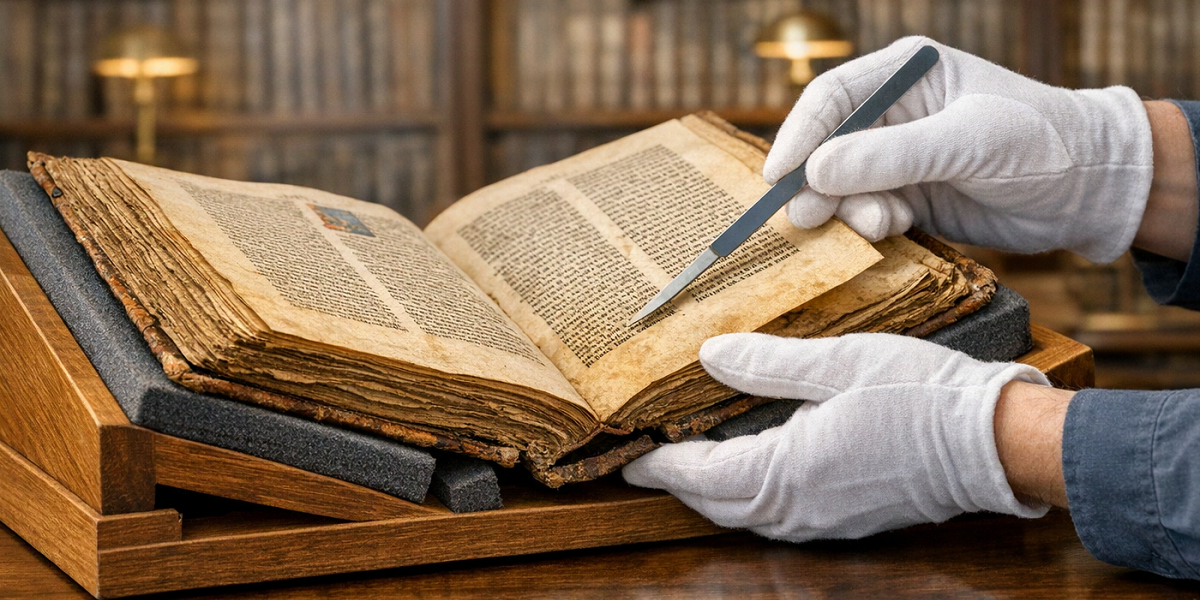
Antique manuscripts are more than old pieces of paper. They are valuable historical records that preserve artistic traditions, cultural identity, religious heritage, and the stories of previous generations. For collectors and art enthusiasts, owning an antique manuscript comes with an important responsibility: protecting its physical condition and historical significance for the future.
However, preserving historical documents in the United Arab Emirates presents unique challenges. High temperatures, seasonal humidity, airborne dust, intense sunlight, and indoor air-conditioning can all affect delicate paper, traditional inks, pigments, and bindings. Without appropriate storage and preventive care, even a manuscript that has survived for centuries can deteriorate surprisingly quickly.
Understanding how to preserve antique manuscripts is therefore essential for private collectors, museums, galleries, and anyone responsible for historical documents. This guide explores practical preservation methods, environmental considerations, safe handling techniques, and the importance of professional conservation.
Whether you own an antique Arabic manuscript, an illuminated Islamic text, a historical book, or a collection of handwritten documents, the right preservation strategy can help protect its condition and ownership history.
Why Antique Manuscript Preservation Matters
Antique manuscripts are often irreplaceable. Unlike modern publications, historical documents may contain handmade paper, traditional pigments, natural dyes, iron-gall inks, gold illumination, and original leather bindings. Each material responds differently to environmental conditions, making preservation more complex than simply keeping documents clean and dry.
A manuscript’s physical condition also contributes to its historical and cultural value. Original handwriting, paper texture, binding techniques, decorative elements, and evidence of previous ownership can provide important information about its origins. Poor restoration, unsuitable cleaning, or careless handling may permanently remove details that researchers and future collectors would otherwise be able to study.
For collectors, preservation should be considered part of responsible ownership. Maintaining an appropriate storage environment, documenting an object’s condition, and arranging professional assessment when necessary can help protect both its historical integrity and long-term significance.
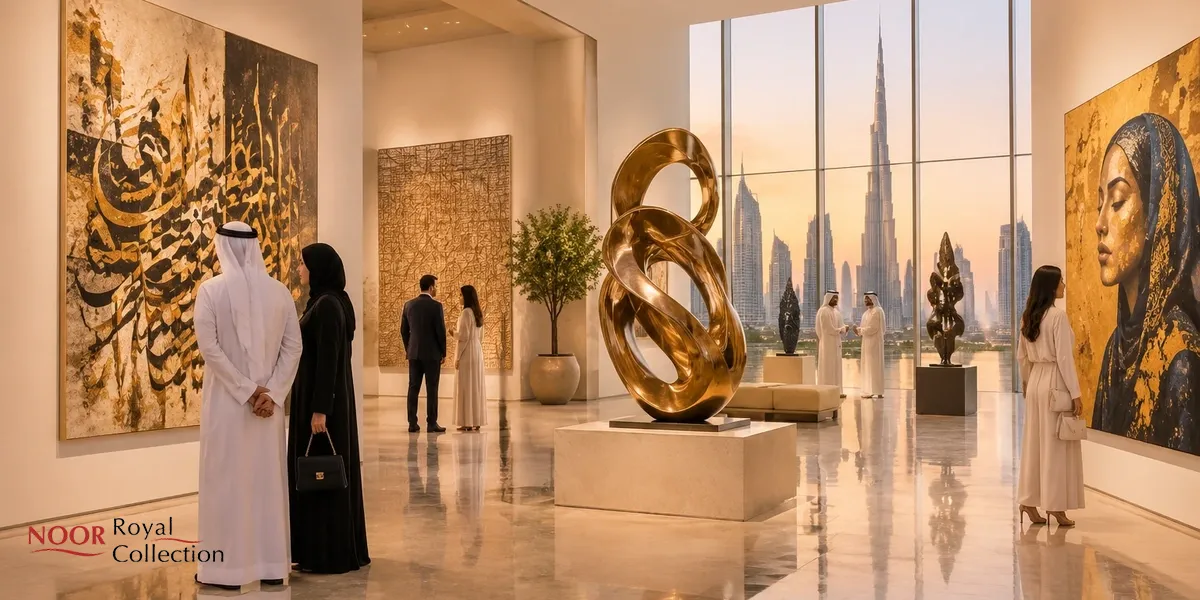
At Noor Royal Museum, the relationship between art, history, and cultural heritage is central to the collecting experience. Exploring the Noor Royal Collection offers an opportunity to discover a wider artistic context, including historical and culturally significant works.
Understanding the UAE Climate and Paper Deterioration
The UAE’s climate requires particular attention when planning manuscript storage. Summer temperatures can become extremely high, while coastal areas experience periods of considerable humidity. Dust and fine sand can also enter buildings, and air-conditioning creates substantial differences between outdoor and indoor environments.
These conditions can affect paper in several ways.
Heat accelerates deterioration. Higher temperatures can speed up chemical reactions that weaken paper fibers and contribute to discoloration. Over time, fragile pages may become increasingly brittle.
Humidity encourages mold and distortion. Paper absorbs moisture from surrounding air. Prolonged exposure to excessive humidity can cause swelling, staining, weakened adhesives, and fungal growth.
Dust introduces contaminants. Fine airborne particles accumulate between pages and on bindings. Dust can also retain moisture and attract pests.
Sunlight causes irreversible damage. Exposure to ultraviolet radiation and visible light can fade inks, pigments, and decorative elements while weakening paper fibers.
The challenge is not simply avoiding extreme conditions. Sudden changes in temperature and humidity can also place physical stress on historical materials. For UAE collectors, maintaining a stable indoor environment is more effective than constantly adjusting storage conditions in response to outdoor weather.
How to Preserve Antique Manuscripts Through Proper Storage
Appropriate storage is one of the most effective ways to preserve antique manuscripts. Even a valuable document can deteriorate in an unsuitable cupboard, when exposed to dust, or when stored near a source of moisture.
The first step is to select storage materials designed for archival use. Ordinary cardboard, newspaper, adhesive labels, and inexpensive plastic sleeves may contain substances that are unsuitable for long-term preservation.
Choosing archival-quality materials
Use acid-free and lignin-free folders, protective enclosures, and archival boxes whenever appropriate. These materials help reduce exposure to compounds that can contribute to paper deterioration.
However, not every manuscript requires the same enclosure. Some historical inks and pigments are sensitive to alkaline conditions, while powdery or flaking decorative materials may be unsuitable for polyester sleeves because of static electricity.
For this reason, choose materials based on the manuscript’s composition and physical condition. A qualified conservator can recommend suitable enclosures for particularly valuable or fragile objects.
Avoid adhesive tape, rubber bands, ordinary paper clips, and household glue. These items can leave stains, create pressure marks, and cause permanent damage.
Selecting the right storage location
Choose a clean, secure, interior room with reliable temperature and humidity control. Avoid garages, balconies, kitchens, bathrooms, attics, and areas near water pipes or air-conditioning leaks.
Metal shelving with suitable protective finishes is generally preferable to untreated wooden shelving. Shelves should be stable, clean, and kept out of direct sunlight.
For loose manuscripts, supportive archival folders and flat storage are often appropriate. Oversized documents should receive sufficient support to prevent repeated folding or unnecessary pressure.
Good manuscript storage is about creating a consistent environment, not simply purchasing expensive boxes.
Humidity and Temperature Control for Paper Conservation
Environmental monitoring is especially important in the UAE because humidity levels can vary considerably between seasons and locations.
For many paper collections, a practical starting target is approximately 18–22°C and 40–50% relative humidity. These are general conservation guidelines, not universal requirements. The ideal conditions depend on the paper, ink, binding, and other materials present.
The Library of Congress recommends relatively cool, stable storage conditions for paper collections, generally around 35–50% relative humidity for loose paper documents. Its book preservation guidance recommends avoiding prolonged humidity above 60%, which can increase the risk of mold and physical distortion.
This makes humidity paper conservation an important consideration for anyone maintaining a historical collection in Dubai or elsewhere in the UAE.
A digital thermo-hygrometer can help monitor the storage environment. Place it away from windows, direct sunlight, humidifiers, and air-conditioning outlets. For larger collections, continuous monitoring equipment can record fluctuations and provide alerts when conditions move outside the preferred range.
Avoid directing cold air directly onto manuscripts. Rapid temperature changes and condensation can create additional problems, particularly in enclosed cabinets.
The goal is to maintain stable conditions year-round rather than relying on occasional adjustments.
Protecting Manuscripts from Light, Dust, and Pests
Light damage is cumulative. Even when a manuscript appears unaffected after a short display period, repeated exposure can gradually fade inks, pigments, and decorative details.
Keep original manuscripts out of direct sunlight and strong artificial light. Use closed archival storage whenever possible, and consider conservation-quality framing only when display is necessary.
Dust prevention is equally important in the UAE. Fine particles can enter through windows, doors, ventilation systems, and gaps in storage furniture. Regular housekeeping and appropriate air filtration help reduce contamination.
Insects such as silverfish, booklice, and termites can also damage paper, bindings, and adhesives. Keep food and drinks away from storage areas, inspect shelves regularly, and avoid using household pesticides near historical materials.
If you discover insect activity or visible mold, avoid applying cleaning chemicals directly to the manuscript. Isolate the affected material where practical and seek professional advice.
Conservation of Books and Fragile Historical Documents
Conserving books requires understanding both the paper and the physical structure of a bound object.
An antique book may contain a fragile spine, weakened sewing, detached pages, original leather, and decorative covers. Opening it too widely can place unnecessary pressure on its binding. Pulling a volume from a shelf by its spine can also cause damage.
Use supportive book cradles when examining fragile volumes. Keep books upright when their condition and size allow, supporting them with neighboring volumes or appropriate bookends. Very large or fragile books may be better stored horizontally.
Avoid repairing torn pages or detached bindings with ordinary adhesive products. Even products marketed as suitable for paper can introduce chemicals that become difficult to remove later.
Professional conservation focuses on understanding an object’s materials, documenting its condition, and selecting treatments that preserve its historical integrity.
For collectors, the best approach is often preventive: avoid unnecessary handling, maintain suitable storage conditions, and seek specialist assessment before deterioration becomes severe.
Special Care for Islamic and Arabic Manuscripts
Islamic and Arabic manuscripts deserve particular attention because of their historical, artistic, and cultural significance.
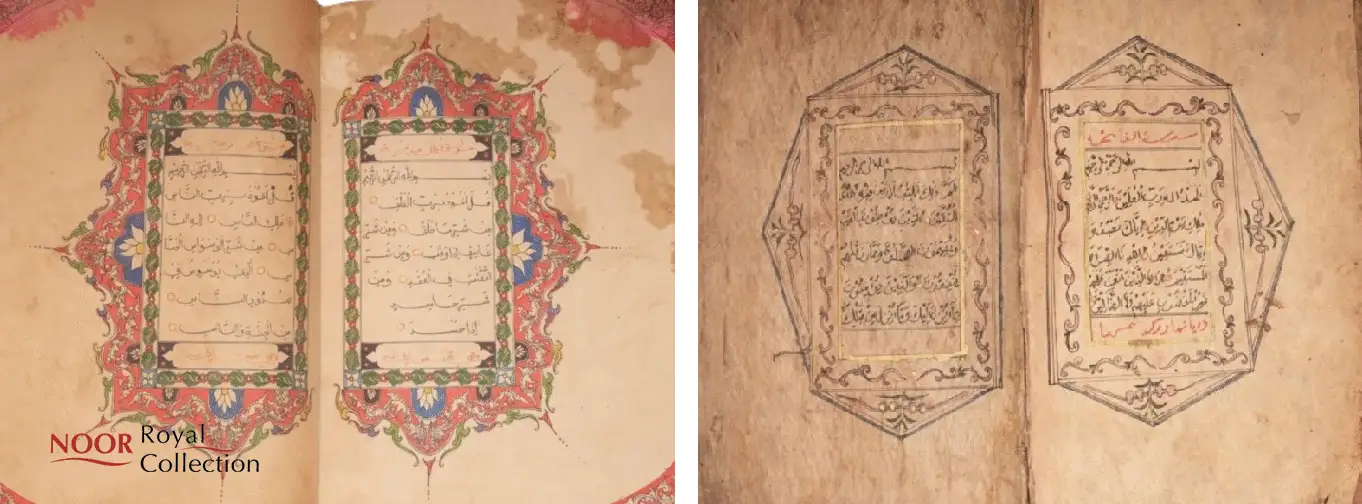
An illuminated Qur’an, an Ottoman manuscript, or a historical Arabic text may contain intricate calligraphy, gold decoration, traditional pigments, handmade paper, and leather bindings. These features are not merely decorative; they can provide valuable evidence of the manuscript’s origin, artistic tradition, and historical context.
Gold leaf and delicate pigments may detach when exposed to unsuitable handling or cleaning methods. Certain inks can also react adversely to moisture or changes in their surrounding environment.
Never clean these surfaces with water, household chemicals, or ordinary brushes. Do not flatten tightly bound manuscripts or separate pages that have become stuck together.
For significant Islamic manuscripts, seek conservators experienced in historic book structures, Arabic calligraphy, and illuminated paper materials.
Preservation should respect the original craftsmanship. The goal is to stabilize the manuscript while retaining its authentic appearance and historical evidence.
Digital Documentation and Collection Ownership
Preserving a manuscript involves more than protecting its physical condition. Responsible ownership also includes maintaining accurate records about its identity, history, and condition.
Create a documentation file for each important manuscript. Include its description, approximate date, dimensions, materials, photographs, ownership information, purchase records, and any available provenance documents.
Record previous conservation treatments and retain reports from qualified specialists. If a manuscript changes ownership, travels for an exhibition, or receives professional treatment, update its documentation.
Digital photography provides an additional layer of protection. High-resolution images allow researchers and family members to study manuscripts without repeatedly handling the originals.
Store master images in multiple secure locations and maintain regular backups. Keep original files separate from edited versions used for presentations or publications.
For collectors, these records support responsible ownership, insurance discussions, future research, and long-term collection management.
When to Seek Professional Art Conservation in Dubai
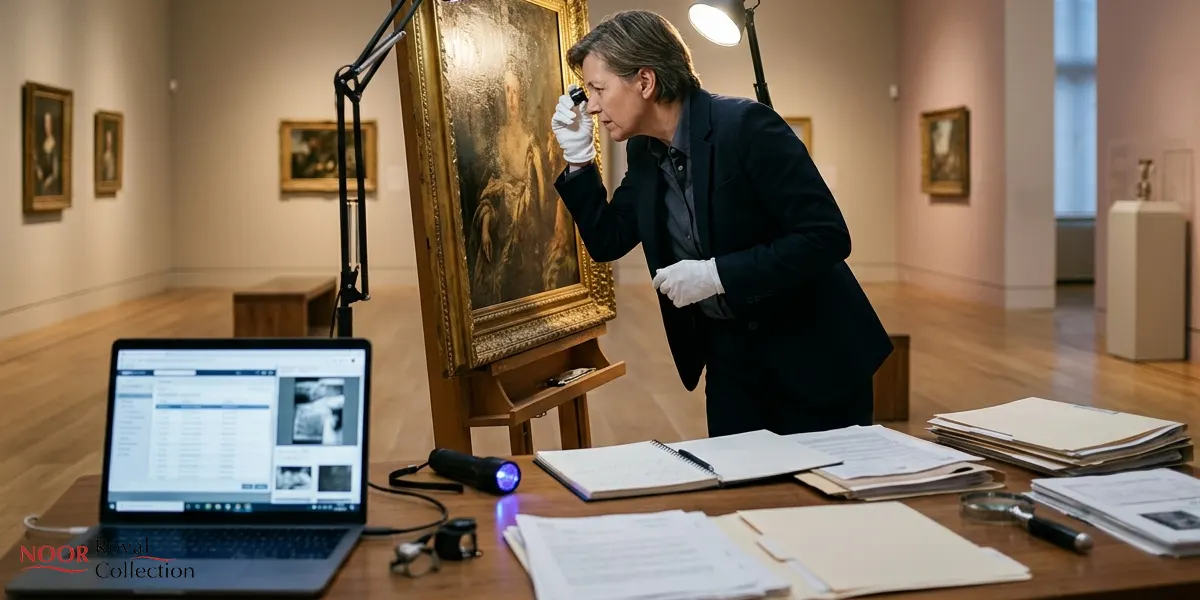
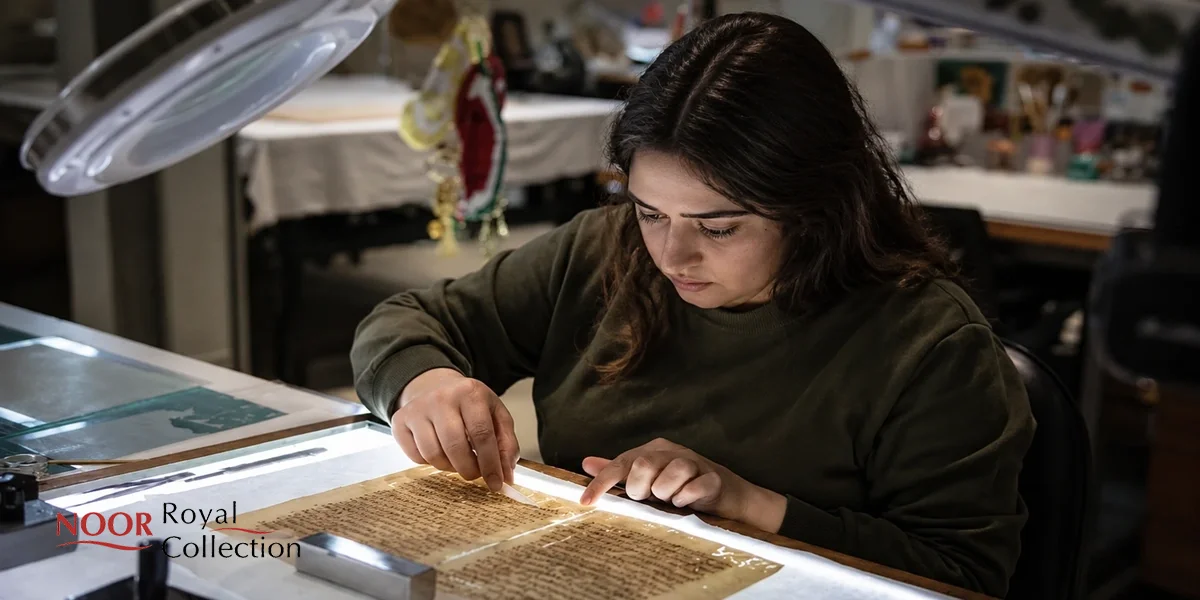
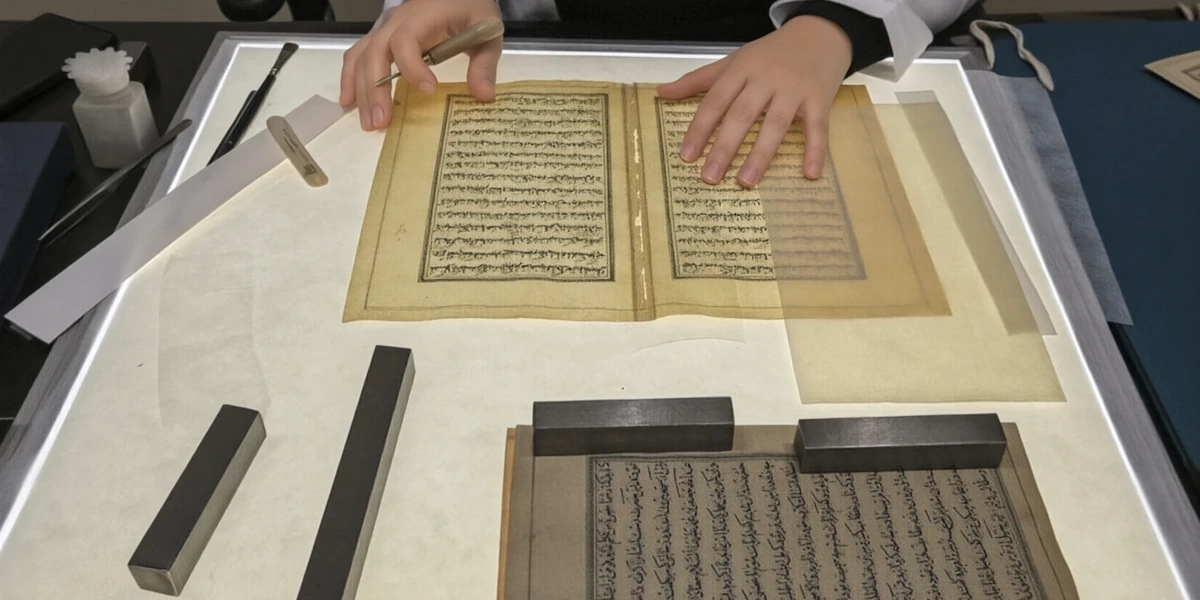
Some preservation challenges require specialist knowledge. Active mold, severe brittleness, water damage, ink corrosion, detached bindings, and previous inappropriate repairs should be assessed by a qualified conservator.
Professional art conservation in Dubai is particularly relevant for collectors who own rare manuscripts or other historically significant works on paper.
Before selecting a specialist, ask about their training, experience with similar materials, proposed treatment methods, and documentation practices.
A responsible conservator should explain the object’s condition, identify potential risks, and recommend an appropriate course of action. Treatment should be based on the manuscript’s materials and historical importance rather than a desire to make it look completely new.
No two manuscripts are identical. A historical Qur’anic text with gold illumination may require a very different approach from a nineteenth-century handwritten letter.
Collectors who would like to discuss collection care and responsible ownership can contact Noor Royal Museum through its official contact noor royal collection.
Building a Long-Term Manuscript Preservation Plan
Long-term preservation works best when it becomes part of ordinary collection management.
Start by identifying your most valuable and vulnerable manuscripts. Assess their condition, document their current storage arrangements, and prioritize objects that need professional attention.
Next, establish environmental monitoring and a regular inspection routine. Review temperature and humidity readings, check for signs of mold or pests, and make sure storage materials remain suitable.
A simple preservation checklist can help:
- Maintain stable temperature and humidity.
- Use appropriate archival folders and boxes.
- Keep manuscripts away from sunlight and moisture.
- Minimize unnecessary handling.
- Inspect storage areas for dust and pests.
- Maintain photographs and ownership records.
- Arrange professional assessment when required.
- Prepare an emergency plan for water damage or other accidents.
For larger collections, consider an annual conservation review and an updated inventory.
The Noor Royal Museum in Dubai serves as a starting point for exploring its artistic and cultural activities. Collectors who wish to discuss collection care can reach out through the museum’s official contact channels.
Conclusion: Protecting Historical Manuscripts for Future Generations
Learning how to preserve antique manuscripts is an essential part of responsible collecting and cultural heritage protection. In the UAE, high temperatures, humidity, dust, sunlight, and environmental fluctuations make preventive conservation particularly important.
The most effective approach combines suitable archival storage, stable environmental conditions, careful handling, regular inspection, and professional assessment when necessary.
Historical manuscripts are irreplaceable records of artistic expression, knowledge, and cultural identity. Protecting them means preserving more than their appearance; it means safeguarding the evidence of the people, traditions, and histories they represent.
Whether you own a single historical document or an extensive collection, thoughtful preservation decisions today can help ensure that these materials remain available for future generations.
Ask About Collection Care from Noor Royal Museum
Interested in protecting a valuable manuscript or historical collection? Contact Noor Royal Museum to discuss your collection care inquiry and explore the importance of responsible art ownership and preservation.
Contact Noor Royal Museum to start the conversation.
Frequently Asked Questions
1- How do you preserve antique manuscripts in the UAE?
Store manuscripts in a clean, stable, climate-controlled environment. Use suitable archival folders and boxes, avoid direct sunlight, monitor humidity, and minimize handling. Seek professional advice for fragile or historically significant documents.
2- What is the ideal humidity for manuscript storage?
A relative humidity of approximately 40–50% is a practical starting target for many paper collections. Stable conditions are important because prolonged high humidity encourages mold, while excessive dryness can increase brittleness.
3- Why is professional art conservation important in Dubai?
Dubai’s hot climate and seasonal humidity create environmental challenges for historical paper and other delicate materials. Professional conservation can help assess deterioration, recommend appropriate storage, and stabilize fragile objects using suitable methods.
4- Can antique manuscripts be stored in plastic sleeves?
Some stable paper documents can be stored in suitable polyester sleeves. However, sleeves are not appropriate for every manuscript, especially those containing powdery pigments, flaking paint, or fragile decorative materials. Choose enclosures according to the object’s condition.
5- How often should antique manuscripts be inspected?
Check environmental readings regularly and inspect storage areas monthly for dust, moisture, and pests. Conduct more detailed condition assessments periodically, particularly for rare or fragile manuscripts. A professional review may be appropriate when deterioration is suspected.