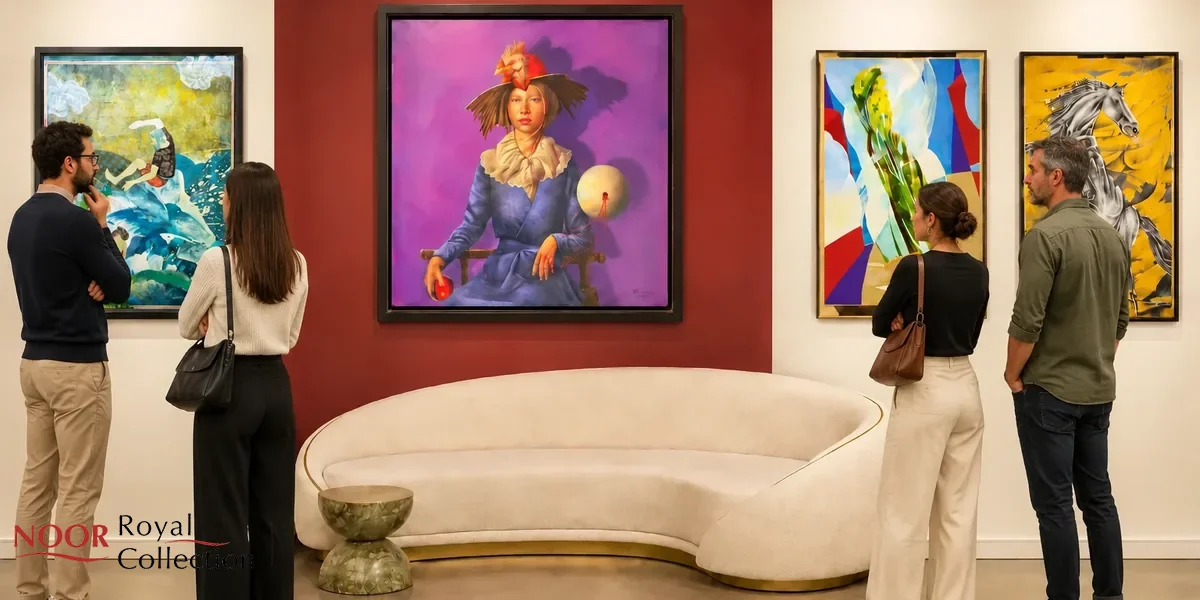
Are you an artist, collector, or artwork owner looking to sell art through a gallery in Dubai? Working with a professional art gallery can help present your artwork to collectors, reach a wider audience, and explore opportunities in the UAE art market. However, understanding the gallery’s role in representation, promotion, and sale is essential before offering your paintings, sculptures, or fine art pieces for sale.
Selling artwork involves more than finding someone interested in purchasing it. You need to understand gallery consignment, commission structures, artwork valuation, authenticity documentation, and the responsibilities involved in presenting your work professionally. The right gallery relationship can create opportunities for your artwork while protecting your interests as a seller.
Dubai offers an international environment for artists and collectors, with opportunities to discover contemporary, modern, and traditional art. If you want to sell a painting in Dubai, introduce an established collection, or explore opportunities to sell paintings in the UAE, knowing how to approach a gallery is an important first step.
At Noor Royal Collection, art, cultural heritage, and collecting come together through exhibitions, curated collections, and art-related services. Here is what you should understand before discussing a consignment opportunity with a gallery.
1-Why Sell Art Through a Gallery?
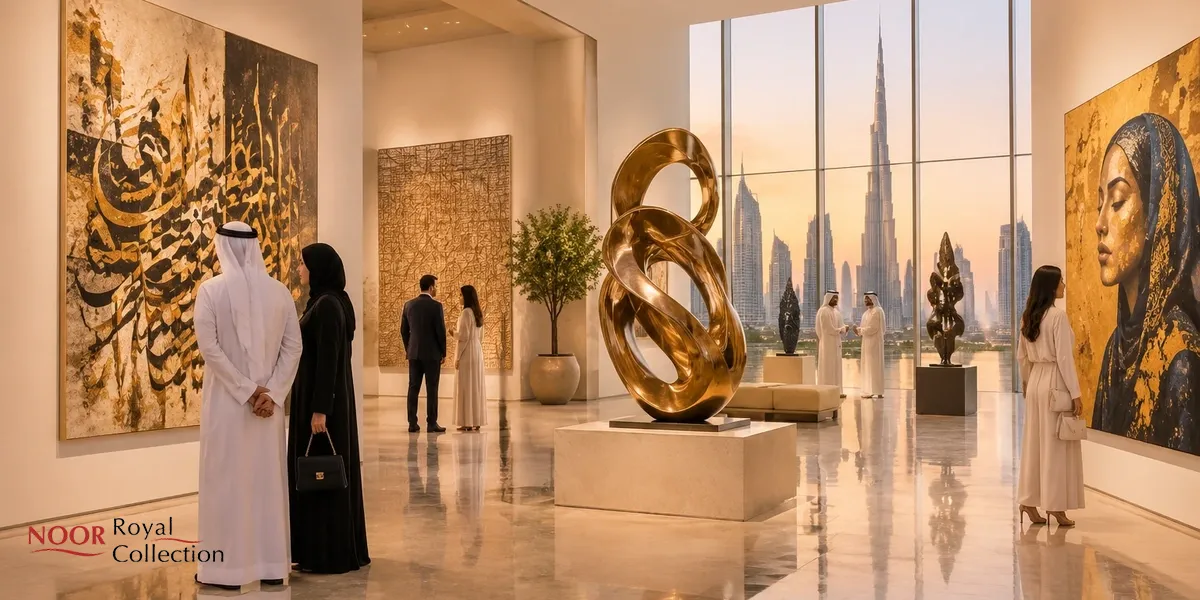
Choosing to sell art through a gallery offers advantages that can be difficult to achieve independently. A professional gallery provides an environment where artwork can be presented, discovered, and discussed with people interested in collecting art. Instead of managing every aspect of the selling process yourself, you may benefit from the gallery’s exhibition opportunities, professional presentation, and relationships with collectors.
For artists and private owners, this can be particularly valuable when selling original paintings, sculptures, photography, or historically significant pieces. Galleries can help communicate an artwork’s artistic background, material qualities, and provenance to potential buyers.
Access to Art Collectors and Buyers
One of the main reasons sellers approach galleries is access to an established collecting audience. Buyers often visit galleries to discover new artists, explore curated exhibitions, and identify works that complement their collections.
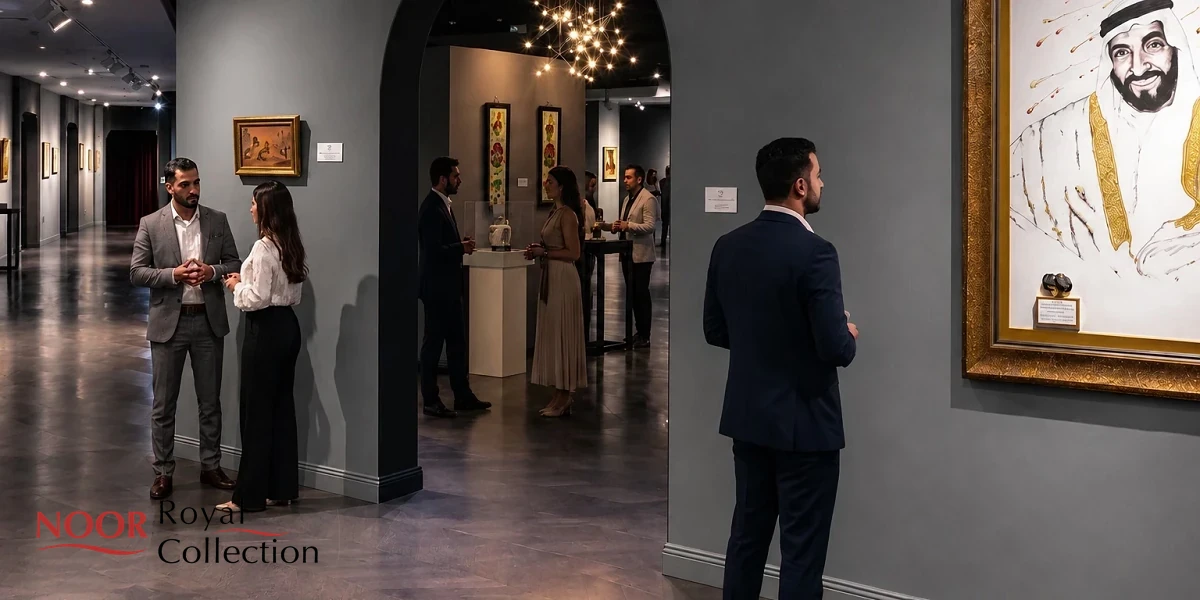
A gallery environment also allows potential buyers to experience artwork in person. They can appreciate its scale, texture, materials, and visual impact in ways that online photographs cannot always communicate.
Professional Presentation and Exposure
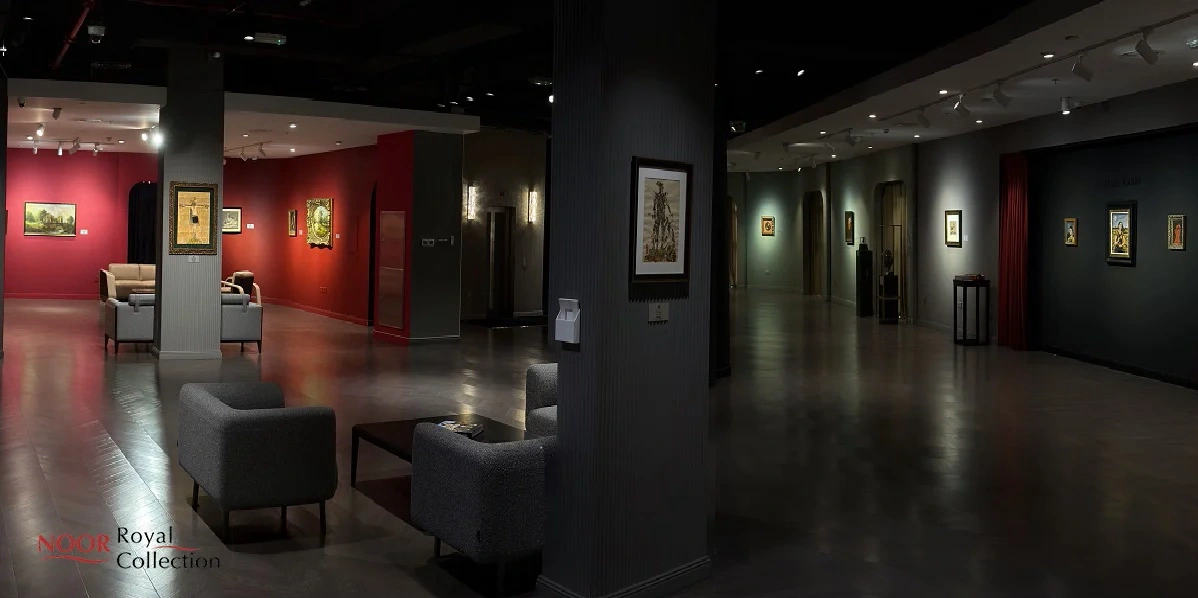
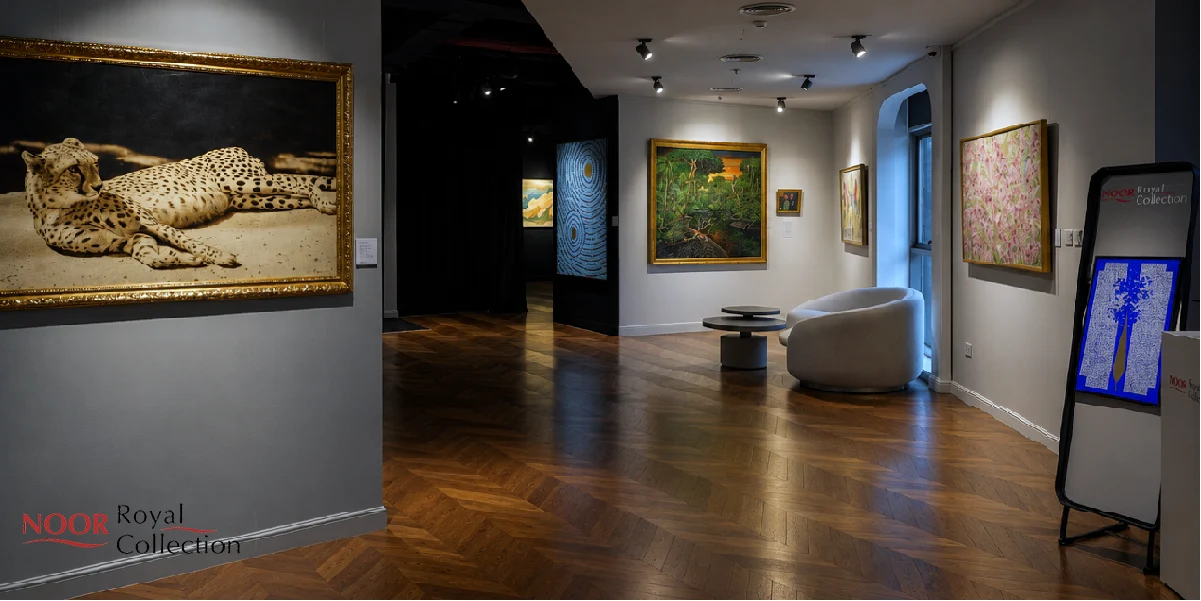
Presentation plays an important role in how buyers perceive artwork. Appropriate lighting, display arrangements, exhibition descriptions, and professional photography can help communicate the character and quality of a piece.
Gallery exhibitions can also create opportunities to network with collectors, art professionals, cultural organizations, and others involved in the art world.
Explore the Noor Royal Collection homepage to discover its artistic program, curated collections, and cultural activities.
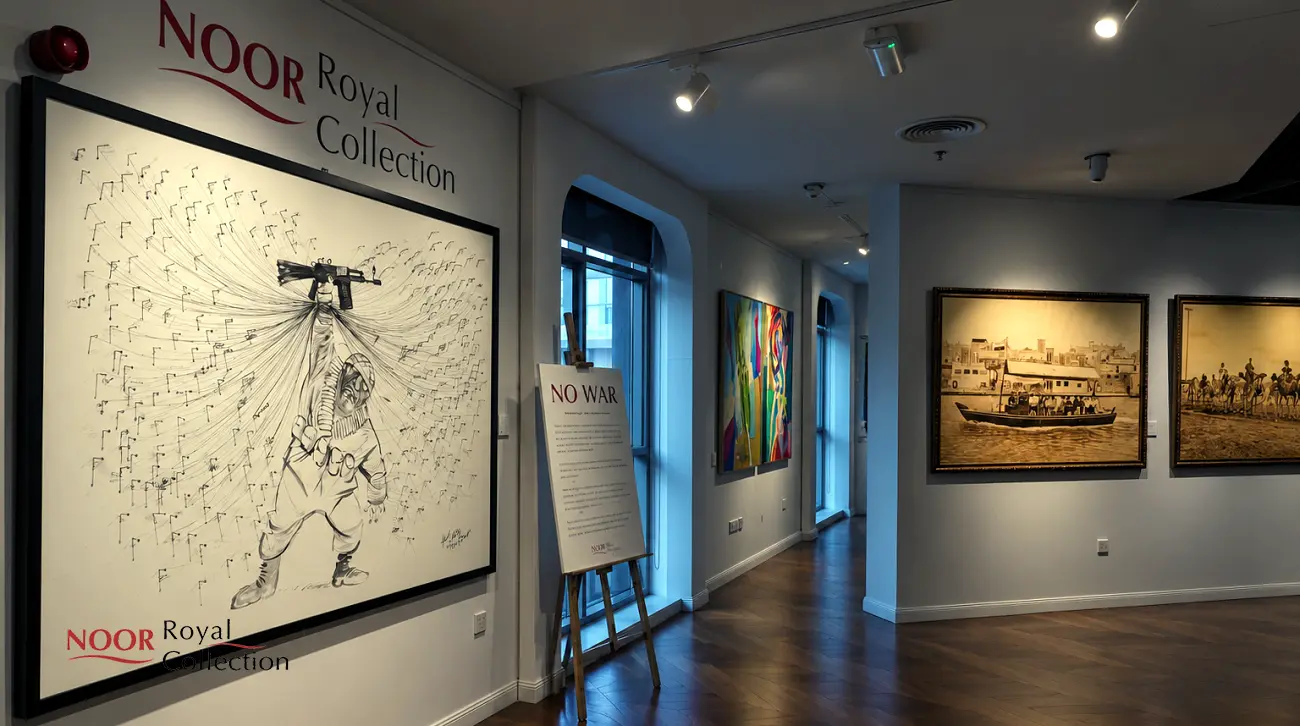
2- How to Sell Artwork in Dubai: Preparing Your Submission
If you want to sell artwork in Dubai, preparation is essential. Before approaching a gallery, organize information that helps its team understand your artwork and assess whether it is suitable for consideration.
A professional submission demonstrates that you take your work seriously and understand the responsibilities involved in an art transaction.
Prepare a Professional Art Portfolio
Your portfolio should contain clear photographs of the artwork, accurate descriptions, and relevant background information. Include the following details wherever applicable:
- Artwork title and creation date.
- Artist’s name and biography.
- Medium, materials, and artistic technique.
- Dimensions and weight, where relevant.
- High-resolution photographs.
- Previous exhibition or collection history.
- Provenance and supporting documentation.
- Your expected selling price or valuation information.
For original paintings, provide photographs showing the entire composition and important details. Photograph sculptures and three-dimensional artworks from multiple angles.
If you are submitting historical or collectible artwork, provenance documentation and authentication information can be especially important.
Find the Right Gallery for Your Artwork
Not every gallery represents every type of artwork. Some focus on contemporary artists, while others specialize in established masters, historical collections, sculpture, photography, or mixed-media works.
Before submitting your portfolio, research the gallery’s artistic focus and exhibition history. Consider whether your artwork fits its collection, audience, and curatorial direction.
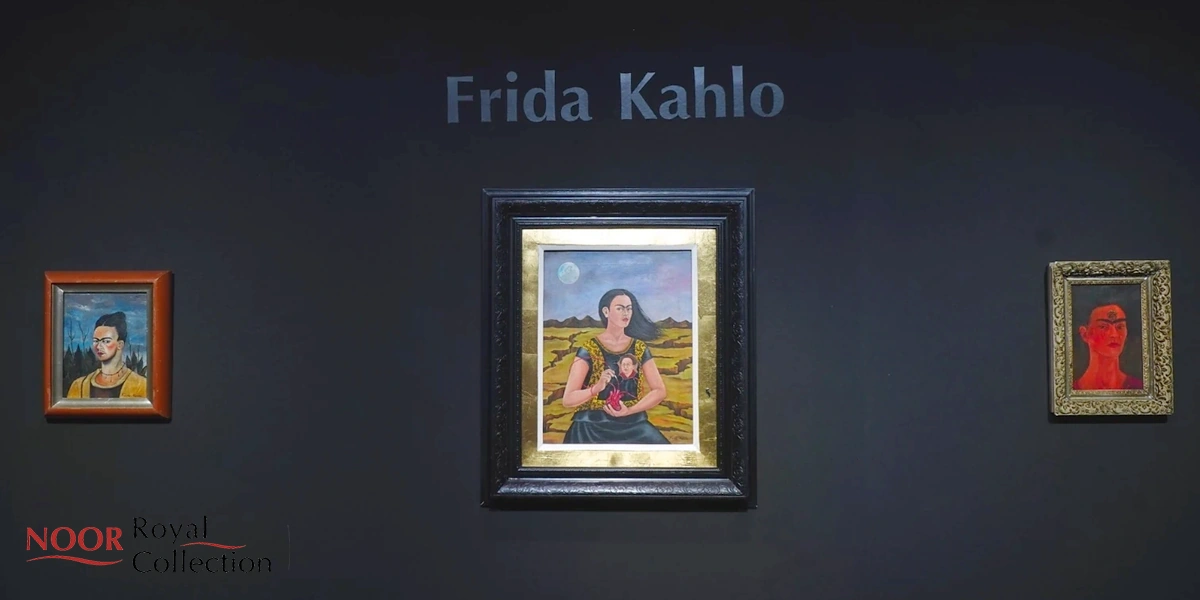
At Noor Royal Collection, the artistic spectrum presented on its website includes painting, sculpture, installations, photography, digital art, and performance. Its broader activities also include art advisory and collection-building services.
This makes understanding the gallery’s artistic interests a useful starting point for any inquiry.
3- Understanding Art Gallery Consignment
One of the most common arrangements used in gallery-based artwork sales is art gallery consignment. Under a typical consignment agreement, an artist or artwork owner gives a gallery permission to display, promote, and sell specified pieces under agreed conditions.
The seller generally retains ownership of the physical artwork until the sale is completed. The gallery earns an agreed commission when a transaction takes place.
For example, imagine that you offer an original painting for AED 20,000 under a consignment arrangement. The gallery displays the work and introduces it to potential buyers. If a collector purchases the painting, the gallery receives its agreed commission and transfers the remaining amount to you according to the contract.
This arrangement can be useful because it allows artwork to be presented through a professional gallery without requiring the seller to manage every stage of the sales process.
What Should an Art Consignment Agreement Include?
Before delivering artwork, make sure the agreement clearly establishes the responsibilities of both parties.
Important terms include:
- Artwork ownership: Confirm who owns the physical artwork before and after the sale.
- Commission: Establish the percentage payable to the gallery.
- Selling price: Agree on the retail price and currency.
- Discounts: Specify whether price reductions require your approval.
- Payment schedule: Establish when proceeds will be transferred.
- Insurance: Determine who is responsible for loss, damage, or theft.
- Transportation: Clarify delivery, installation, and return arrangements.
- Exclusivity: Define whether the gallery has exclusive selling rights.
- Consignment period: Establish how long the gallery may hold the artwork.
- Unsold artwork: Agree on how and when unsold pieces will be returned.
A written agreement protects both the gallery and the artwork owner by reducing uncertainty.
Remember that ownership of a physical painting and copyright are separate matters. Consigning or selling an original artwork does not automatically transfer its reproduction rights.
4- How to Price Your Artwork for the Dubai Market
Setting an appropriate price is one of the most important parts of selling fine art. A well-considered price should reflect the artwork’s characteristics, artistic significance, market position, and the financial arrangements involved in the sale.
Factors That Influence Artwork Value
Several considerations may influence how artwork is valued:
Artist reputation: Exhibition history, recognition, previous sales, and collector demand can influence market positioning.
Medium and materials: Original oil paintings, sculptures, limited-edition prints, and mixed-media works have different production and market considerations.
Size and complexity: Dimensions, technical difficulty, materials, and time invested can contribute to pricing.
Provenance and authenticity: Documented ownership history and reliable authentication information can be particularly important for collectible and historical artworks.
Market demand: Interest in a particular artist, artistic movement, or category can influence buyer activity.
Condition: Physical condition, restoration history, and conservation requirements may affect an artwork’s appeal and value.
Establishing a Consistent Selling Price
Before approaching a gallery, establish a realistic expected price based on comparable works and available market information.
If you are offering multiple paintings, develop a consistent pricing structure that considers size, materials, artistic complexity, and the artist’s market position.
In the UAE, the standard VAT rate is 5% for taxable supplies, but the correct treatment of an individual art transaction depends on the seller, transaction, and applicable tax rules. Seek professional tax advice rather than assuming every artwork sale is treated the same.
5- Documentation, Authenticity, and Artwork Protection
Professional documentation is particularly important when you want to sell paintings in the UAE or introduce valuable works to a gallery.
Collectors want confidence in what they are purchasing. Clear records help establish an artwork’s identity, background, condition, and ownership history.
For original works, prepare a certificate of authenticity where appropriate. It should identify the artist, artwork title, medium, dimensions, and date of creation.
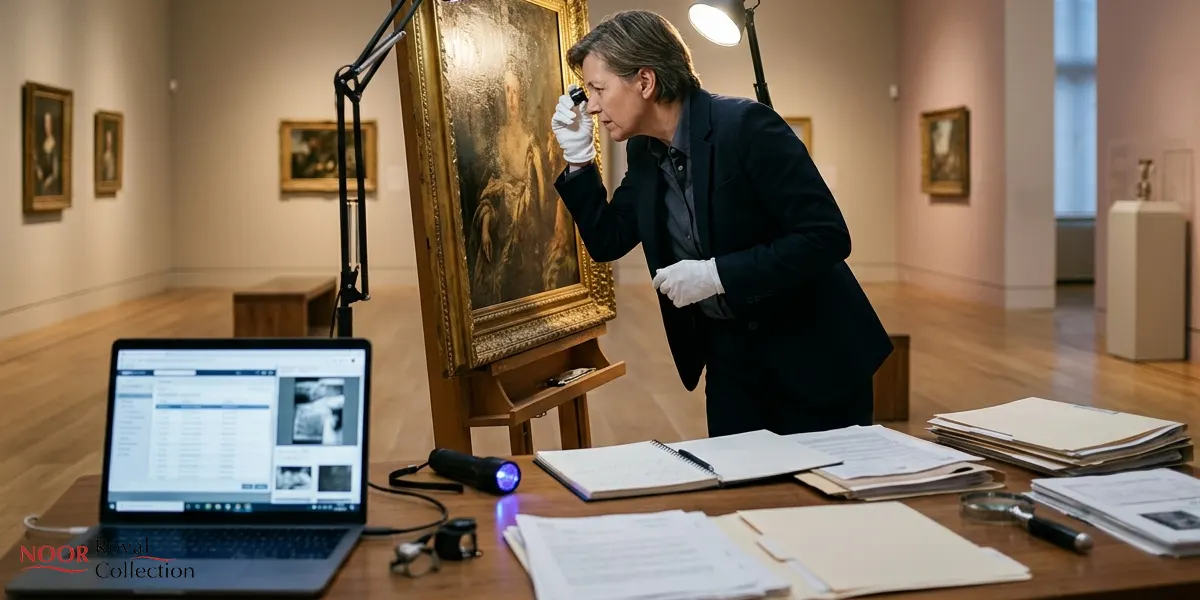
For historical or collectible pieces, provenance documents, previous ownership records, exhibition references, invoices, and relevant expert assessments may help support the artwork’s background.
Condition reports are equally important. Photograph the artwork before delivery and document any existing imperfections, repairs, or restoration work.
Discuss insurance and transportation arrangements before transferring possession. Establish who is responsible for packing, shipping, storage, installation, and damage during the consignment period.
These precautions are especially important for fragile paintings, large canvases, sculptures, and valuable historical pieces.
6- What to Expect When Working with a Gallery
Once a gallery has received your submission, the next step is determining whether the artwork is suitable for its program or selling arrangements.
The review process may involve examining photographs, assessing documentation, discussing pricing, and arranging an inspection of the physical artwork.
If both parties agree to proceed, the terms of representation or consignment should be documented before the artwork is delivered.
After acceptance, the gallery may present the work through an exhibition, collection display, private viewing, or other appropriate sales opportunities.
However, gallery representation does not guarantee an immediate sale. Collectors may take time to consider an artwork, compare options, and make purchasing decisions.
Agree on communication arrangements, payment deadlines, sales reporting, and the handling of unsold artwork in advance.
A professional relationship depends on transparency and realistic expectations. The objective is to establish an arrangement that benefits both the gallery and the artwork owner.
7- Why Consider Noor Royal Collection for Your Art Inquiry?
Choosing where to present your artwork is an important decision. You want to approach an organization whose artistic interests, cultural activities, and professional environment align with your work.
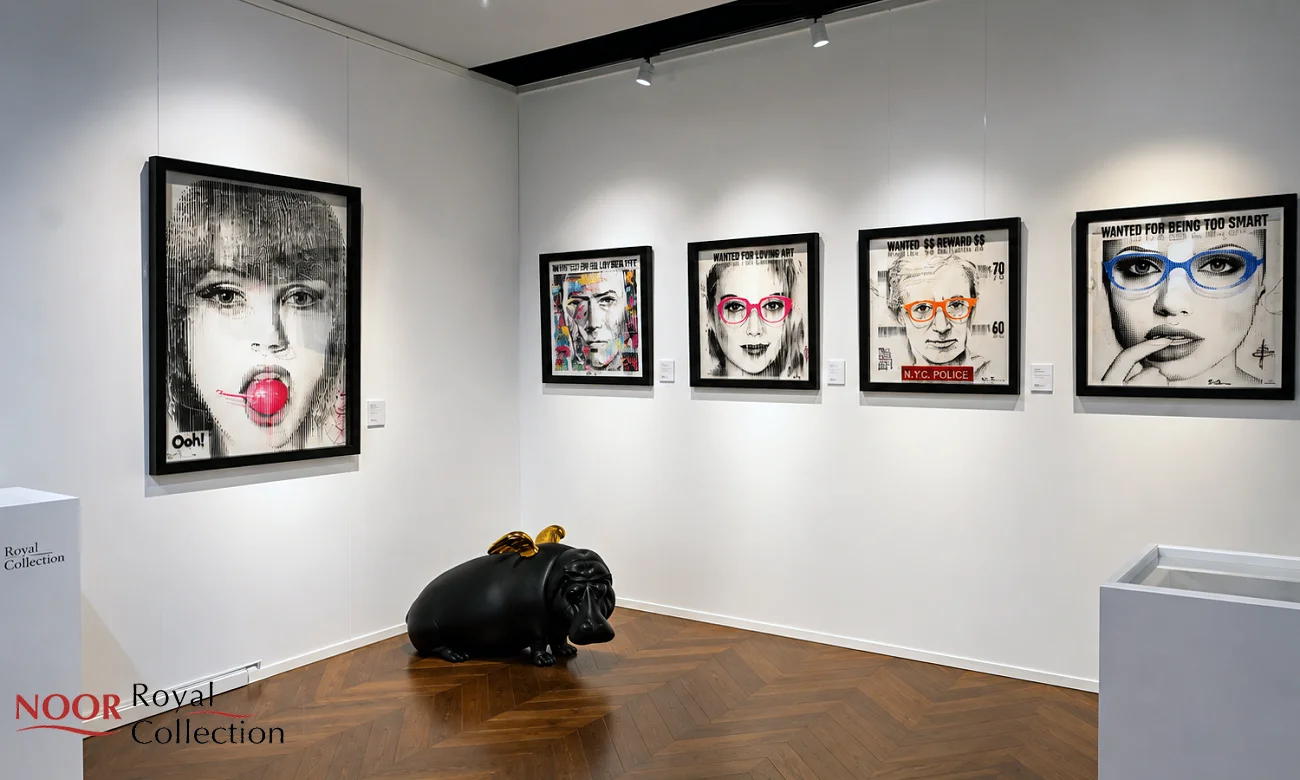
Noor Royal Collection, located in Jumeirah 2, Dubai, presents an artistic environment that connects established artistic legacies with emerging creative voices.
Its website highlights a diverse range of art, including paintings, sculptures, installations, photography, and digital art. It also describes activities involving art advisory, collection building, exhibitions, and educational programs.
For artists and artwork owners considering opportunities in Dubai, starting a conversation with the gallery is a chance to introduce your work and learn whether it may be suitable for consideration.
You can also explore Noor Royal Collection’s events and exhibitions to learn more about its cultural program and exhibition activities.
If you are interested in presenting an original painting, a private collection, or another significant artwork, prepare your portfolio and relevant documentation before contacting the team.
8- How to Discuss a Consignment with Noor Royal Museum
If your objective is to sell a painting in Dubai or explore presenting your artwork through a professional gallery, the best starting point is a direct inquiry.
Prepare a short introduction explaining who you are, what artwork you own, and what you hope to achieve. Include clear photographs, dimensions, medium, artist information, provenance where applicable, and your expected price.
Be prepared to discuss the artwork’s condition, authenticity, availability, and any previous exhibition or sales history.
The gallery can then consider your inquiry and advise whether further discussion or assessment is appropriate. Submission should not be interpreted as automatic acceptance or a guarantee of sale.
Are you ready to introduce your artwork or collection?
Contact Noor Royal Collection to discuss your artwork, provide supporting information, and explore whether a consignment or other suitable arrangement may be possible.
Conclusion: Take the Next Step Towards Selling Your Art in Dubai
Learning how to sell art through a gallery involves understanding much more than finding a buyer. Consignment agreements, commission arrangements, artwork pricing, provenance, authenticity, and professional presentation all contribute to a successful selling experience.
Whether you are an emerging artist, an established painter, or a private collector looking to sell a significant artwork, preparation can make your gallery inquiry more productive.
Dubai offers an international environment in which art, culture, and collecting intersect. Approaching the right gallery with a professional portfolio and realistic expectations can help you explore opportunities to introduce your work to potential buyers.
If you are considering selling original artwork or presenting a collection, start a conversation with Noor Royal Collection.
Discuss a Consignment with Noor Royal Museum and take the first step toward exploring opportunities for your artwork in Dubai.