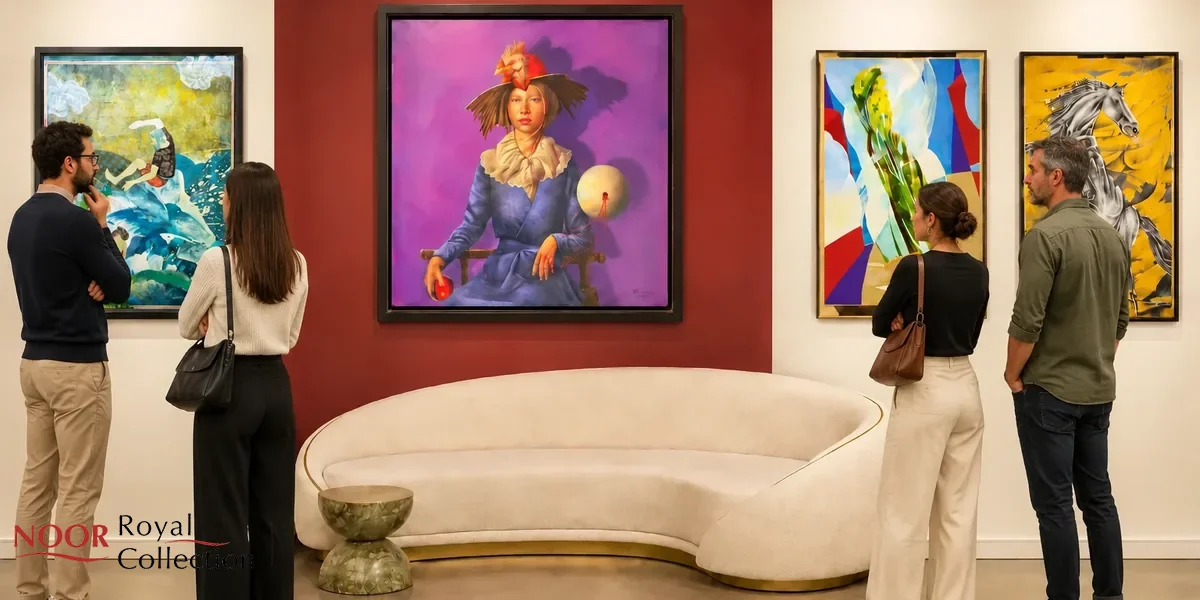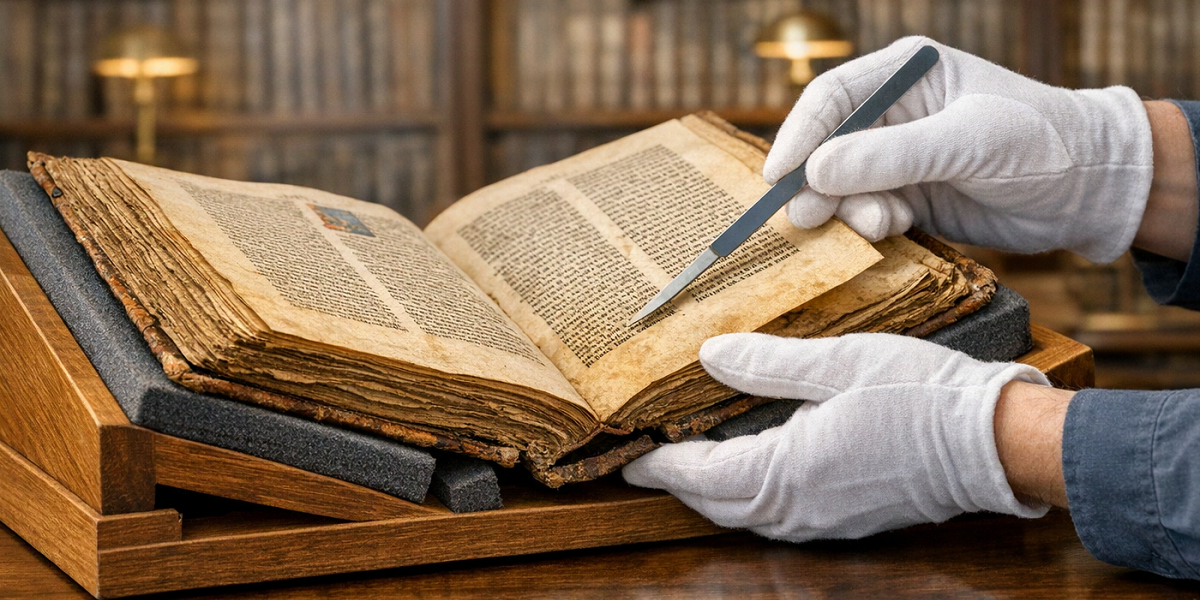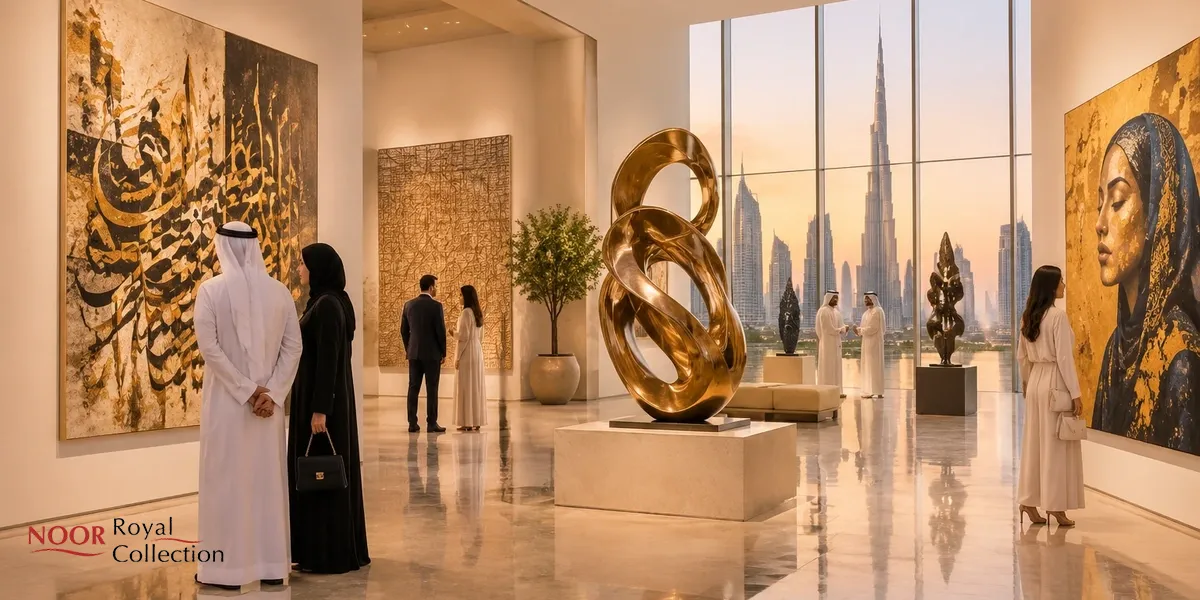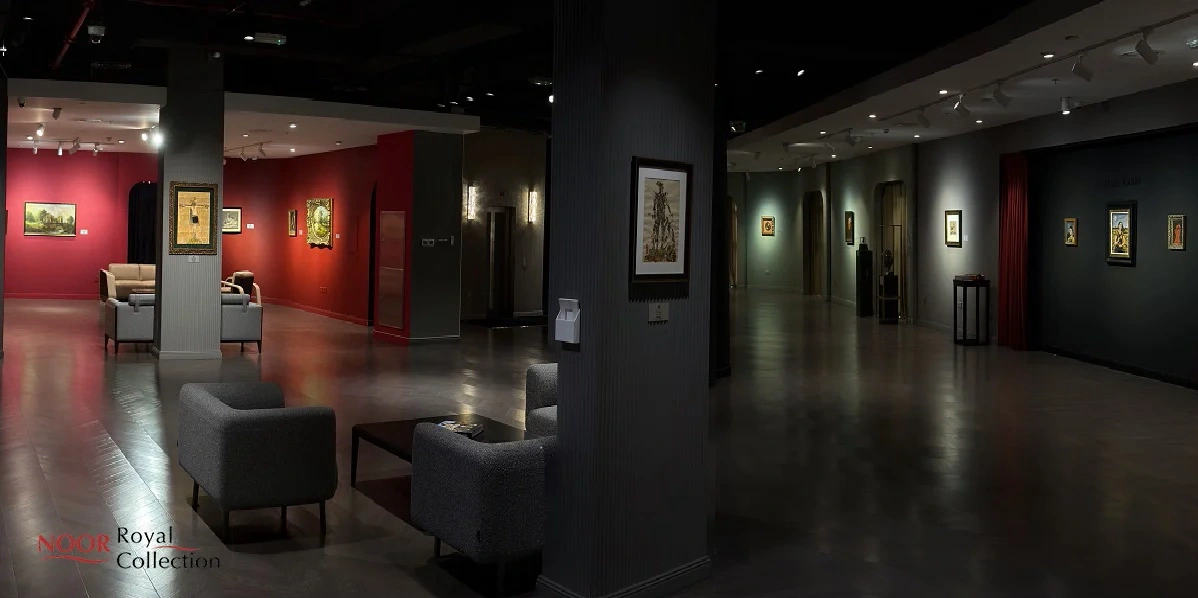
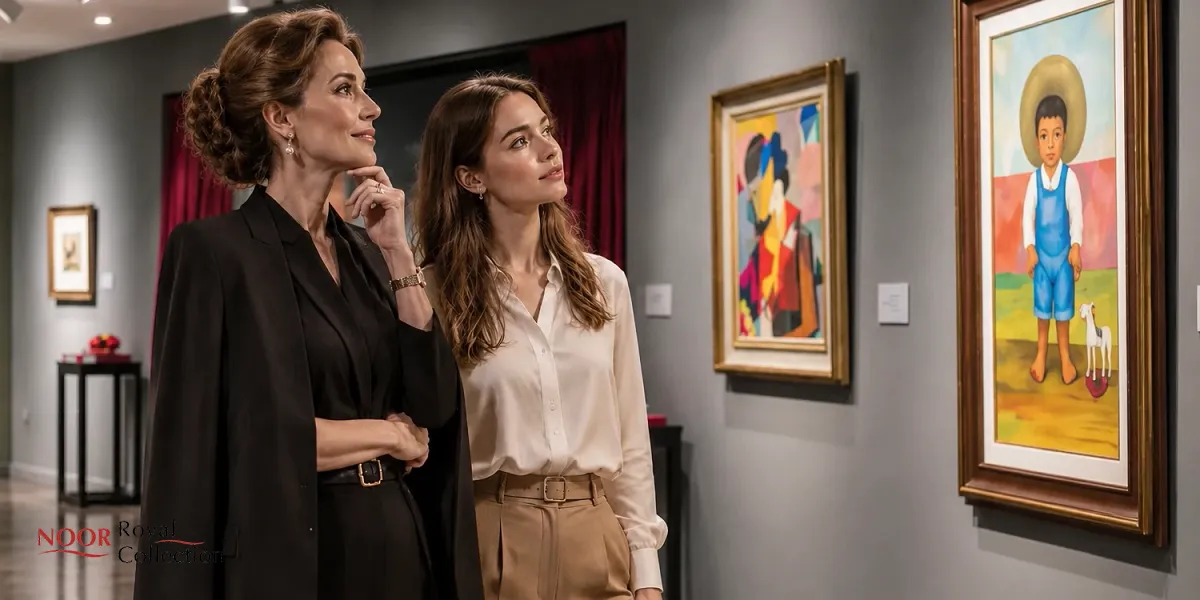
An art collection legacy is about more than acquiring beautiful paintings, sculptures, or rare objects. It means creating something meaningful that can connect generations, preserve cultural value, reflect personal vision, and potentially contribute to long-term family wealth. For collectors, art offers a unique opportunity to bring financial strategy and personal passion together, turning individual acquisitions into a carefully curated collection with a lasting purpose.
Building a legacy through art requires thoughtful decisions. What should you collect? How do you evaluate an artwork’s value? What happens when you pass your collection to your children or grandchildren? And how can you ensure that the artworks you acquire today remain meaningful tomorrow?
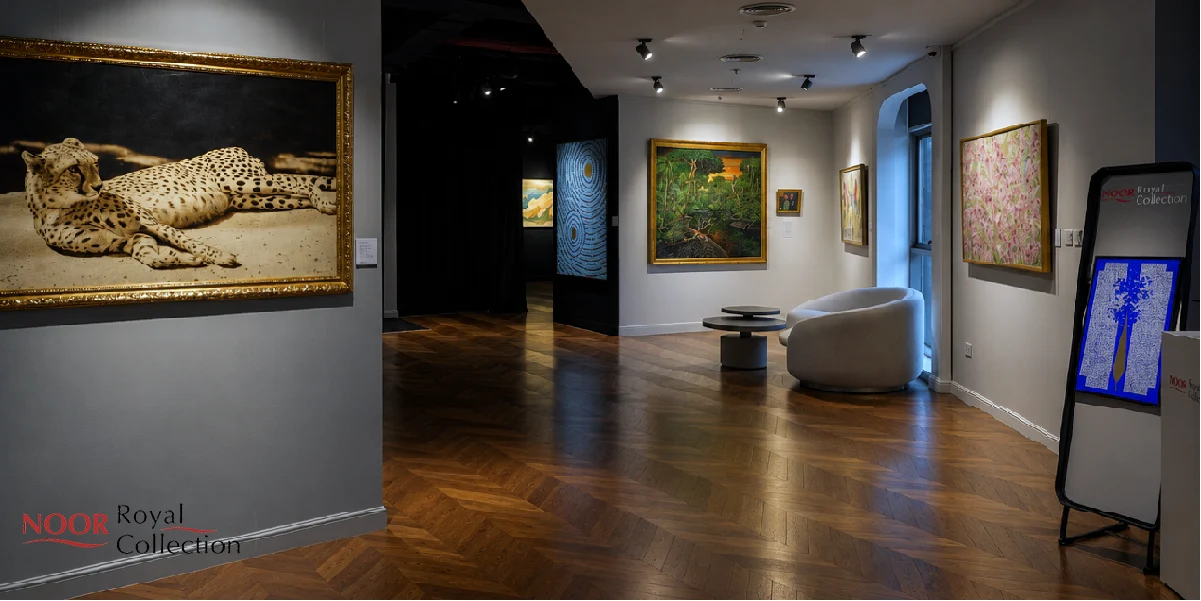
At Noor Royal Museum, we invite collectors to approach collection building as a journey of discovery, cultural appreciation, and thoughtful collecting. Whether you are an experienced collector or beginning your journey, exploring the principles of generational collecting can help you develop a collection that goes beyond ownership and becomes part of your family’s story.
What Does Art Collection Legacy Mean?
An art collection legacy extends beyond the monetary value of individual artworks. It describes the lasting cultural, emotional, historical, and potentially financial significance of a collection preserved and passed down from one generation to the next.
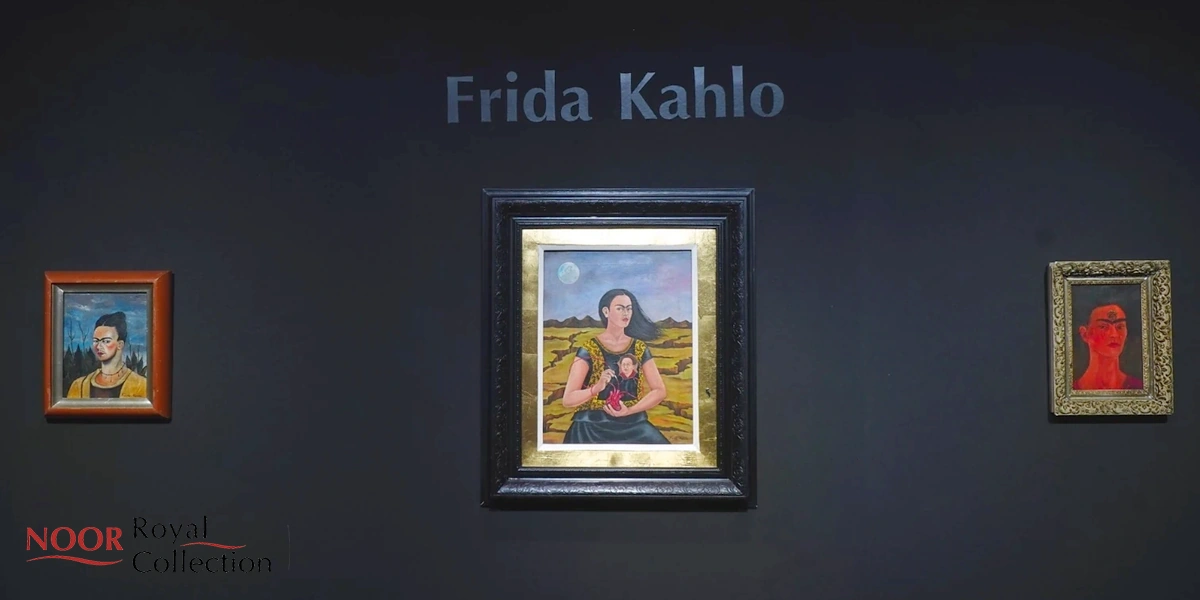
A family art collection can reflect the interests, identity, experiences, and values of its owners. It may include works by established masters, contemporary artists, emerging talents, or pieces connected to particular cultures and historical periods. Over time, these artworks can become more than objects; they can represent family milestones, memories, artistic discoveries, and a shared appreciation for creativity.
The financial dimension is equally important, although appreciation is never guaranteed. Some artworks may gain value as artists develop recognition, institutional interest grows, or demand changes. Others may remain stable or decline in value. A thoughtful collector understands that art should not be purchased solely on the promise of future returns, but as part of a broader vision that balances artistic appreciation, financial awareness, and long-term ownership.
Why Build a Family Art Collection?
Building a family art collection can offer a distinctive way to combine cultural engagement with wealth planning. Unlike many assets, art can be enjoyed while it is owned. A painting can become part of a family’s living environment, a sculpture can inspire conversation, and a collection can encourage younger generations to explore creativity, history, and cultural identity.
Art also introduces families to different perspectives. Collecting works from different artistic movements, regions, and generations can create opportunities to learn about history and society. This educational dimension makes art ownership particularly meaningful when family members are encouraged to participate in the collecting process.
From a wealth perspective, art may provide diversification beyond traditional investments. However, the market can be illiquid, transaction costs can be substantial, valuations can be subjective, and returns are uncertain. Collectors should consider their financial circumstances, investment horizon, and risk tolerance before committing substantial capital.
A well-planned collection is therefore not simply a financial asset. It is a cultural investment that can create experiences, preserve stories, and potentially contribute to long-term wealth.
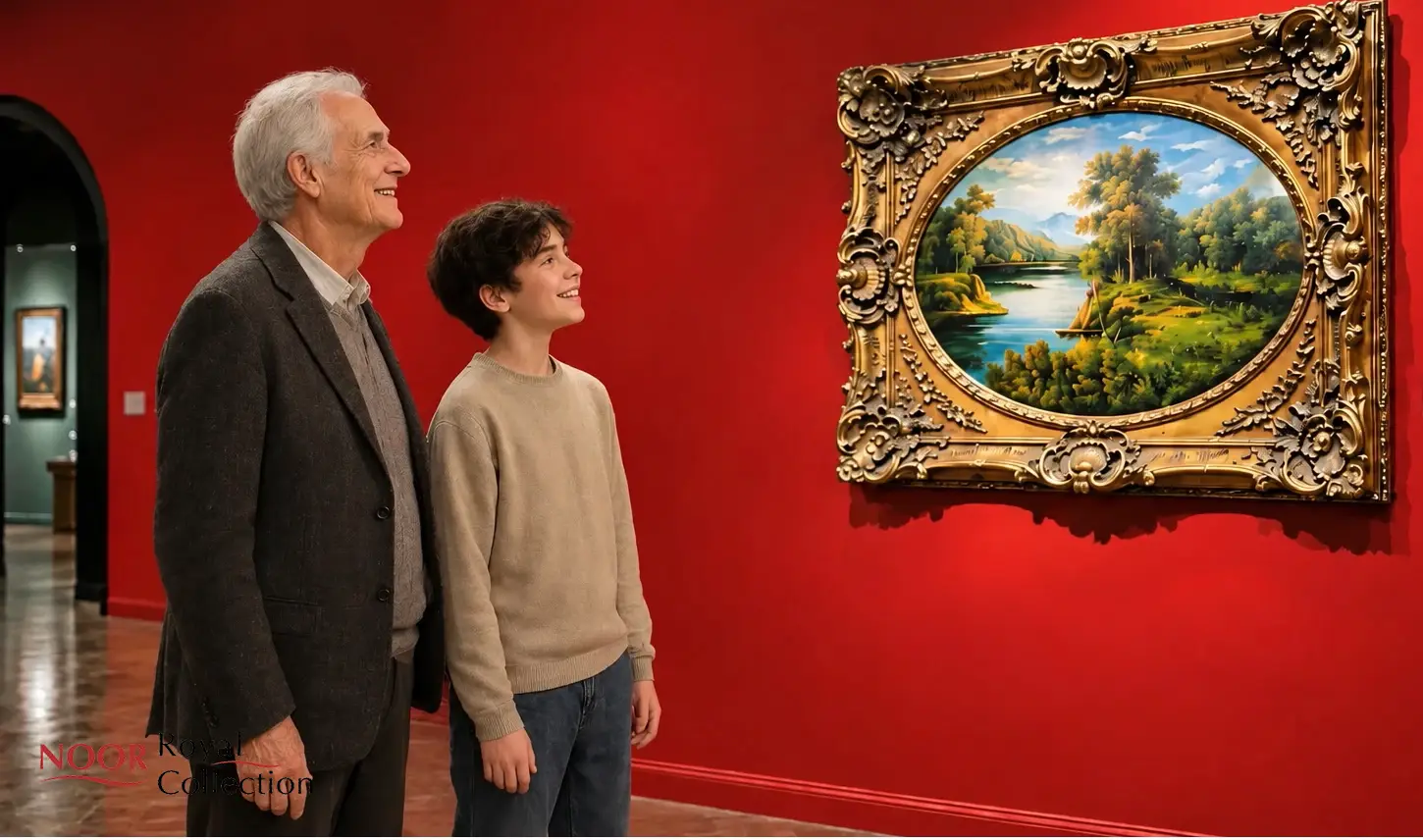
Generational Collecting: Creating Value That Lasts
Generational collecting involves developing a collection with a long-term vision rather than making purchases based solely on short-term trends. It requires collectors to think about artistic quality, provenance, condition, market context, personal interests, and future responsibilities associated with ownership.
A strong collecting strategy begins with curiosity. Explore artistic movements, visit exhibitions, study artists, and consult knowledgeable professionals to make informed decisions. Rather than chasing popular names or speculative price movements, collectors can develop a distinctive approach that reflects their own interests and values.
The collection may evolve, incorporating different mediums, periods, and artists. Some families may focus on modern art, while others may explore classical works, contemporary painting, photography, sculpture, or cultural heritage. A consistent collecting philosophy helps create cohesion while allowing the collection to grow naturally.
Generational collecting also involves preparing future owners. Document acquisition details, maintain provenance records, arrange conservation, and discuss the collection’s purpose with family members to make inheritance more straightforward. These practices help turn a collection into an asset future generations can understand, preserve, and manage responsibly.
How to Build an Art Collection for Long-Term Wealth
Building a collection with long-term potential starts with a clear collecting strategy. Define the artistic themes, mediums, price ranges, and artists that genuinely interest you. Research before purchasing and seek independent guidance when evaluating significant acquisitions.
Collectors can explore established artists with documented market histories, mid-career artists with growing recognition, and emerging artists whose work offers compelling artistic perspectives. Each segment carries different considerations, and no artist category guarantees financial performance.
Several factors may influence an artwork’s value:
- Artist reputation: Recognition, exhibition history, institutional attention, and market demand.
- Provenance: Documented ownership history and credible supporting records.
- Condition: Physical integrity, restoration history, and conservation requirements.
- Rarity: Availability, edition size, and the significance of the individual work.
- Artistic importance: The artwork’s relevance within the artist’s practice or a broader historical context.
- Market demand: Collector interest, comparable sales, and changing market conditions.
A disciplined approach to collecting can help reduce avoidable risks. Set a budget, avoid impulsive purchases, verify documentation, and understand the ongoing costs of owning art. Insurance, storage, framing, conservation, and transportation should all be considered when evaluating the true cost of an acquisition.
Collection Stewardship: Protecting Art for Future Generations
Collection stewardship is the responsibility of preserving, documenting, managing, and sharing artworks so their value and significance can continue over time.
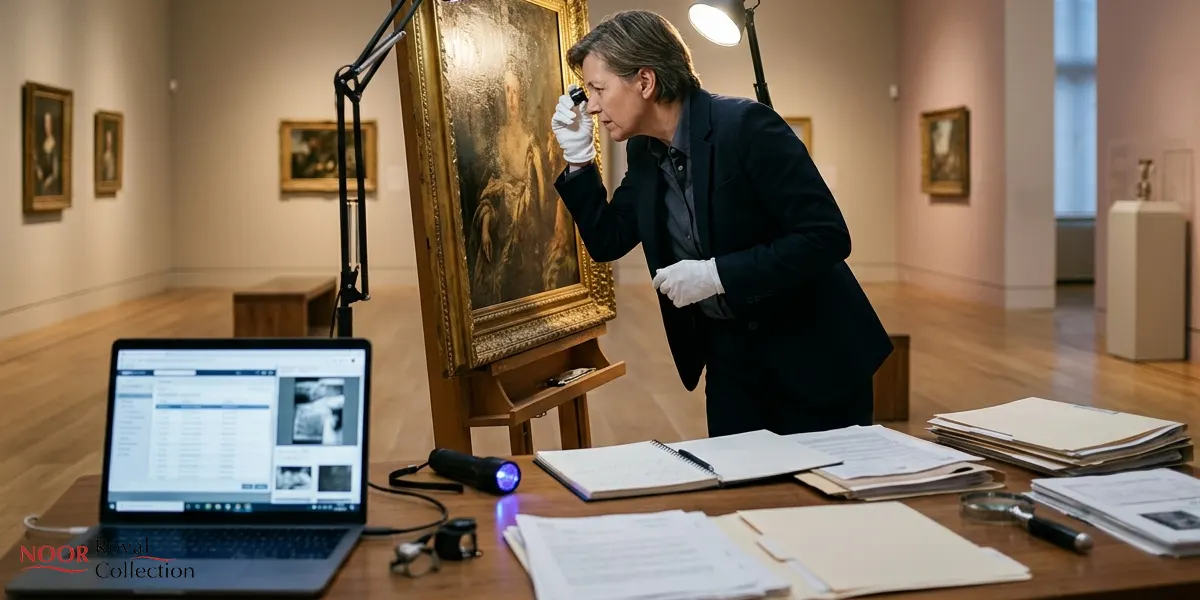
Effective stewardship begins with proper documentation. Collectors should maintain records that include photographs, purchase invoices, provenance, artist details, dimensions, materials, condition reports, valuations, and relevant correspondence. These records can support future insurance claims, professional assessments, sales, and inheritance planning.
Physical preservation is equally essential. Artworks may be vulnerable to excessive sunlight, humidity changes, temperature fluctuations, pests, accidental damage, and unsuitable storage. Professional conservation advice can help collectors protect works according to their materials and specific needs.
Estate planning should also be part of collection stewardship. Families may need to consider inheritance arrangements, valuation requirements, applicable taxes, ownership structures, and the practical costs of maintaining a collection. Qualified legal, tax, and art professionals can help develop an appropriate plan.
The goal is to ensure that future generations inherit not only artworks but also the knowledge and resources required to care for them.
Art Collection Legacy Price: What Does Building a Collection Cost?
The art collection legacy price is not a fixed figure. The cost of building a collection depends on the artists, artworks, mediums, provenance, rarity, condition, market demand, and the collector’s objectives.
Some collectors begin with affordable prints, photography, small original works, or pieces by emerging artists. Others focus on established artists or historically significant works that may require a considerably larger budget. There is no universal minimum investment for creating a meaningful collection.
The purchase price is only part of the cost. Collectors should also consider framing, transportation, insurance, storage, conservation, professional valuations, and potential transaction fees when buying or selling.
Rather than asking how much an art collection should cost, ask what kind of collection you want to build, how much you can comfortably allocate, and how you intend to manage it over time.
At Noor Royal Museum, explore artworks and collection-building opportunities to clarify your artistic interests and collecting objectives.
Exploring Art Central in Dubai and the Art Collecting Scene
Dubai offers collectors access to galleries, cultural institutions, exhibitions, and international artistic perspectives. The city’s art ecosystem provides opportunities to explore contemporary and historical works, connect with art professionals, and develop a more informed collecting approach.
Collectors researching Art Central in Dubai or other art events and exhibitions should verify the event’s current location, dates, participating galleries, and official information before planning a visit. Art fair participation and schedules can change, so relying on current official event details is important.
Art fairs and exhibitions can be useful environments for discovering artists, comparing works, asking questions about provenance, and learning about different collecting opportunities. They also allow collectors to engage directly with galleries and art professionals.
For collectors seeking guidance in Dubai, Noor Royal Museum provides opportunities to explore art, discover collection-building services, and connect with the gallery through its official channels. If you are searching for an Art Fair contact in Dubai, or professional guidance on starting or expanding your collection, contacting an established gallery directly can be a practical starting point.
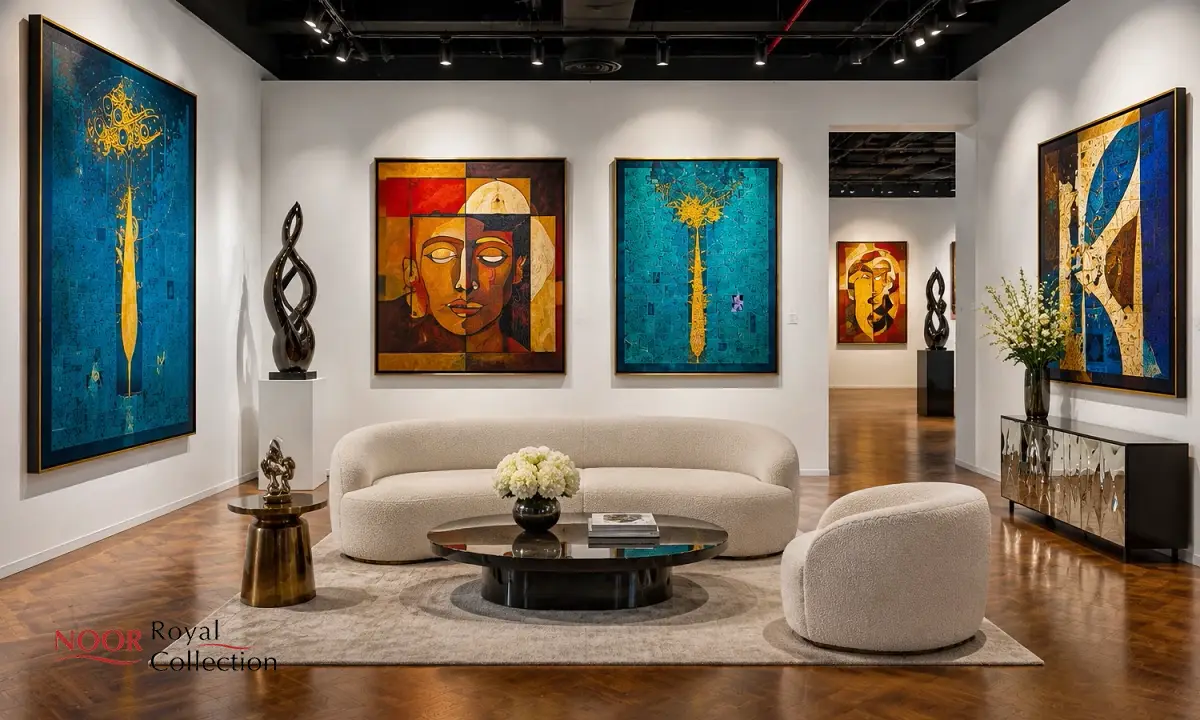
Plan Your Collection Legacy with Noor Royal Museum
A meaningful art collection begins with a vision. Whether you are acquiring your first artwork, expanding an existing collection, or planning how your collection will be passed to future generations, informed decisions can make the journey more rewarding.
Noor Royal Museum brings together art, cultural exploration, and collection-building opportunities for collectors looking to develop a lasting relationship with art. From discovering works to exploring advisory and collection-building services, the journey can be shaped around your interests, objectives, and appreciation of artistic excellence.
Building a collection is not about predicting every future market movement. It is about making thoughtful choices, preserving what matters, and creating a legacy that future generations can appreciate.
Plan Your Collection Legacy with Noor Royal Museum.
Explore the collection, connect with the team, and begin developing a collecting vision that brings art, culture, and the future together.
Frequently Asked Questions
What is an art collection legacy?
An art collection legacy is a collection of artworks developed, preserved, and potentially passed down across generations. It can represent cultural heritage, personal values, artistic appreciation, and potential financial value.
Can an art collection help build generational wealth?
Art may contribute to generational wealth if selected artworks appreciate over time. However, the market is unpredictable, and art is not a guaranteed investment. Long-term planning, professional guidance, documentation, and responsible ownership are important.
How much does it cost to build an art collection?
The cost varies widely depending on the artists, artworks, mediums, condition, rarity, and collecting goals. Collectors can start at different price levels, but should account for ownership expenses such as insurance, conservation, storage, and transportation.
How do I preserve a family art collection?
Maintain accurate records, protect artworks from environmental damage, arrange appropriate insurance, obtain professional conservation advice, and plan for inheritance. Sharing collection knowledge with family members also supports long-term stewardship.
Where can I get art collection advice in Dubai?
Collectors can contact Noor Royal Museum through its official Contact page for collection-building advice, art-related inquiries, and guidance on connecting with the gallery.