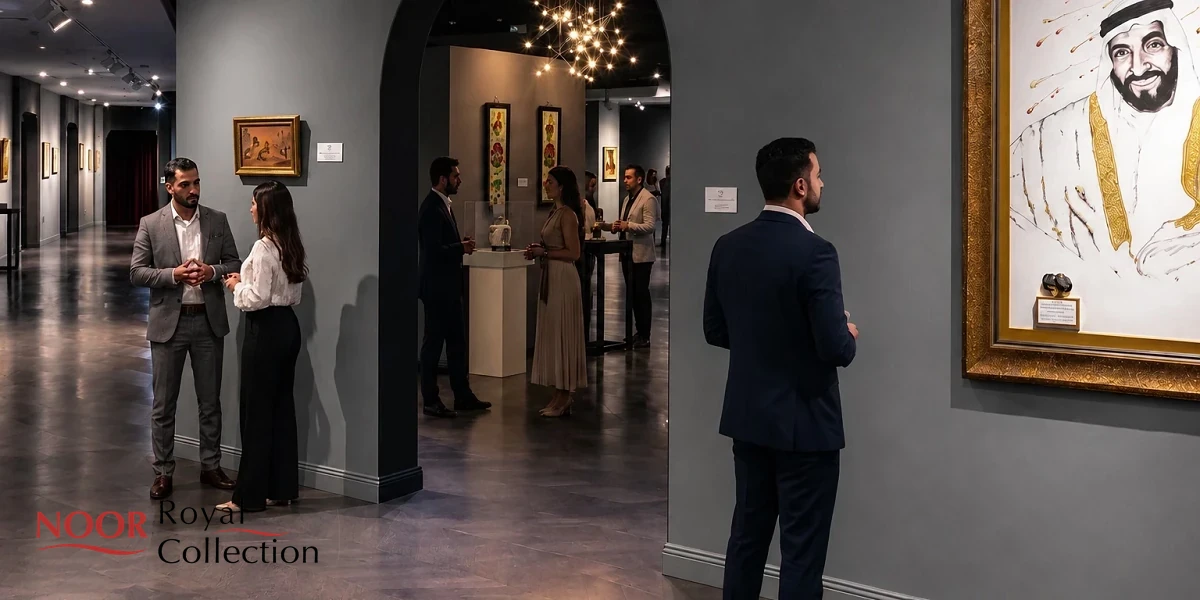
When exploring the art world, understanding art gallery vs. museum is essential for visitors, collectors, and luxury art buyers. Although both spaces exhibit paintings, sculptures, and other creative works, they serve different purposes. An art gallery may introduce you to emerging artists, present contemporary art, and connect you with opportunities to purchase original works. An art museum, on the other hand, generally focuses on preserving collections, researching artistic heritage, and interpreting art for public education and cultural appreciation.
In Dubai, where international influences meet a growing regional creative community, knowing the difference can help you make more informed decisions about where to view art and where to buy it. Whether you are discovering fine art for the first time, researching a potential acquisition, or planning a cultural visit in the UAE, both venues offer valuable but distinct experiences.
For collectors interested in exploring art, heritage, and curated collections, explore the Gallery and Museum at Noor Royal Collection to learn more about its offerings and discover whether it aligns with your interests.
Art Gallery vs Museum: What Is the Main Difference?
The fundamental difference between a gallery and a museum lies in their primary purpose, collection responsibilities, and relationship with the art market. A commercial art gallery typically exhibits work to promote artists and facilitate sales. A museum generally operates as a cultural institution dedicated to collecting, preserving, researching, and presenting art to the public.
These distinctions influence how artworks are displayed, what information visitors receive, and whether an exhibited piece can be purchased. However, the terms are not interchangeable in every context, and the name of a venue does not always reveal its operating model. Some galleries are nonprofit exhibition spaces, while some museums feature contemporary art, temporary exhibitions, and works borrowed from private collections.
What Is an Art Gallery?
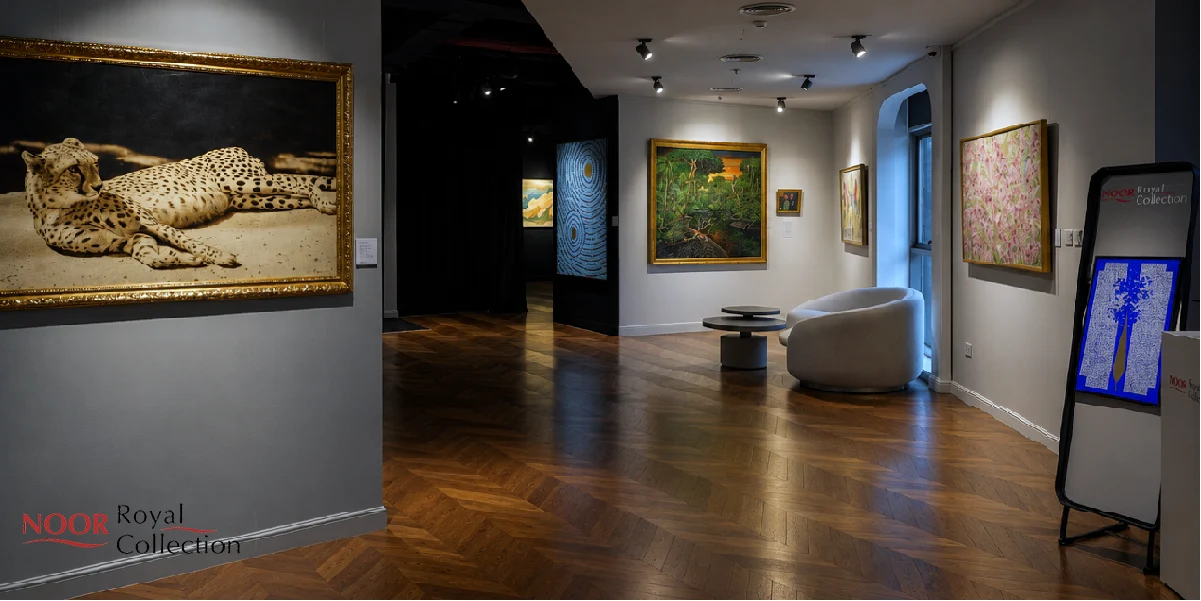
An art gallery is a space where artworks are exhibited for public viewing. Commercial galleries often represent artists, organize exhibitions, promote their work, and connect buyers with available pieces. Their programs may feature contemporary art, paintings, sculpture, photography, decorative art, or limited-edition prints.
For collectors, a commercial gallery can be a useful starting point when researching artists and considering an acquisition. Gallery representatives may explain an artist’s background, discuss the materials and techniques used, provide pricing information, and clarify purchasing arrangements.
A private art gallery may offer a more focused environment, with exhibitions shaped around a particular artistic vision, collecting interest, or selection of artists. Depending on its business model, it may work with established artists, emerging talent, private collectors, or specialist audiences.
Not every gallery sells artwork. Public galleries, nonprofit spaces, and artist-run venues may prioritize cultural programming, experimentation, and education instead. If buying art is your goal, check whether the venue represents artists or offers works for sale before arranging your visit.
What Is an Art Museum?
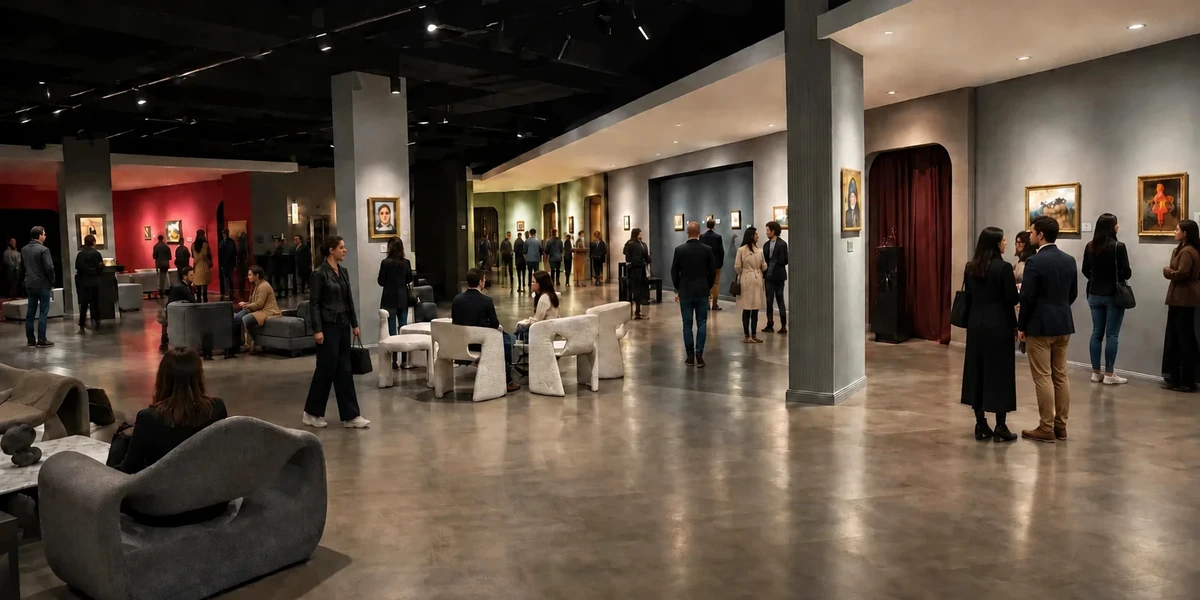
If you are asking what an art museum is, the simplest answer is that it is an institution dedicated to the care, interpretation, and presentation of art. Collecting museums typically maintain permanent collections and invest in research, documentation, conservation, and public education.
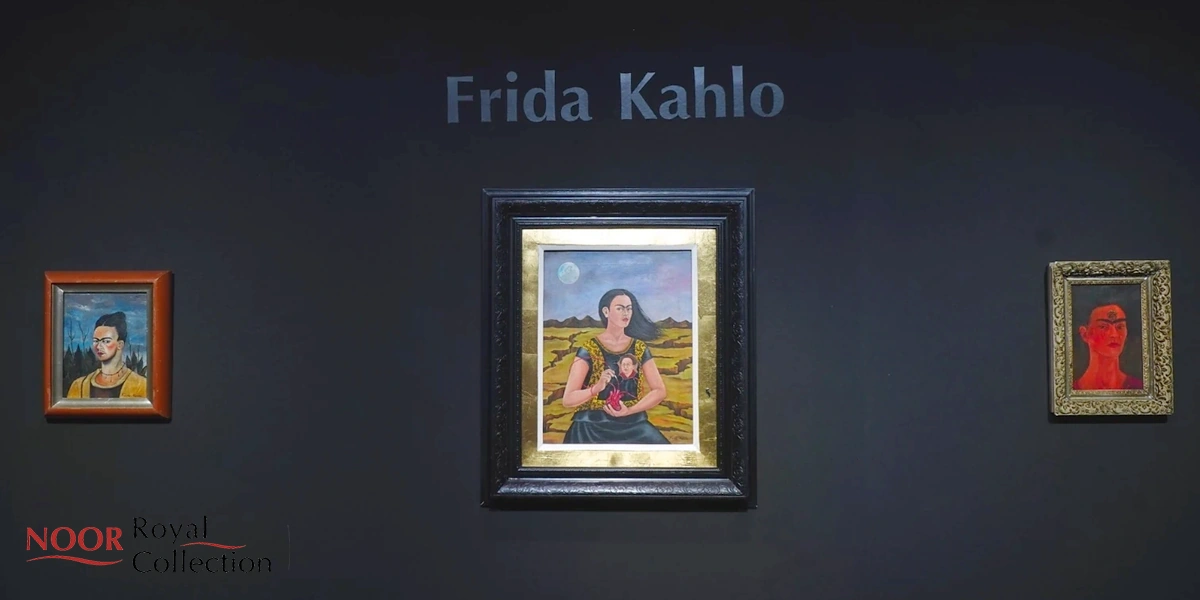
A museum’s collection may include historical paintings, sculptures, photographs, decorative arts, modern works, or contemporary installations. Curators develop exhibitions that help visitors understand individual artworks within wider artistic, historical, and cultural contexts.
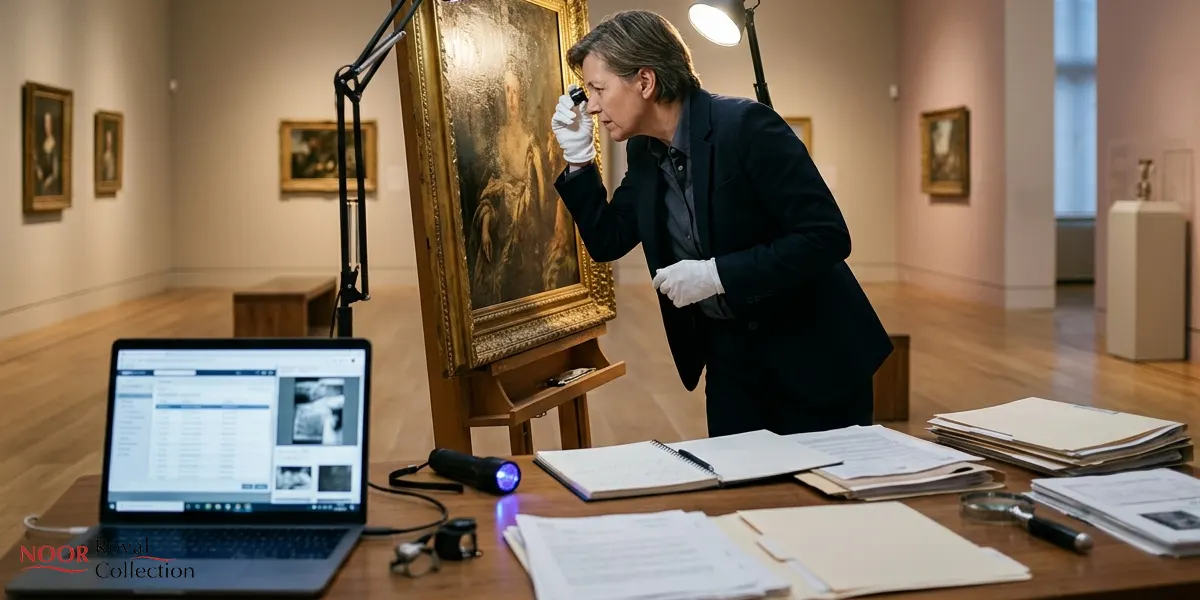
Museums also play an important role in preserving cultural heritage. Conservation professionals monitor the condition of artworks and help protect them from damage caused by light, humidity, temperature changes, and handling. Researchers may investigate provenance, artistic techniques, and historical significance to deepen public understanding of a collection.
Unlike a commercial gallery, a museum generally does not offer its permanent collection for ordinary retail purchase. Its principal purpose is to care for and interpret art rather than facilitate transactions between artists and buyers.
Art Gallery vs Art Museum: Key Differences at a Glance
The following comparison highlights what visitors and collectors can typically expect. Individual institutions may combine elements of both models, so use this table as a guide rather than a universal rule.
| Feature | Art Gallery | Art Museum |
| Purpose | Exhibit art, promote artists, and often facilitate sales | Preserve, research, interpret, and exhibit collections |
| Ownership | Works may belong to artists, private owners, consignors, or lenders | Collection works may be owned by the institution or held on loan |
| Type of works | Often contemporary art, fine art, emerging artists, and curated selections | May include historical, modern, contemporary, and culturally significant works |
| Sales | Commercial galleries commonly offer works for purchase | Permanent collection works are generally not for sale |
| Visitor experience | Often focused exhibitions, artist introductions, and opportunities to enquire about works | Often collection-based displays, historical context, educational programmes, and research |
| Collector relevance | Useful for discovering available works, discussing prices, and purchasing art | Useful for developing art knowledge, researching movements, and understanding cultural significance |
Which Is Better for Buying Art?
For collectors seeking to acquire an original painting, sculpture, or other fine art, a commercial gallery is generally the more direct option. It can provide information about available works, pricing, artist representation, and purchasing arrangements. A museum is usually better suited to studying art, understanding historical context, and discovering the artists or movements that interest you.
The distinction matters particularly in the luxury art market, where a purchase may require careful consideration of authenticity, provenance, condition, and documentation. An attractive display alone is not enough to establish an artwork’s authenticity or investment potential. Ask questions, review available records, and seek independent expertise when the value or complexity of a purchase warrants it.
For a closer look at a Dubai-based collection and gallery offering, explore Noor Royal Collection and review its available exhibitions, collection information, and services for collectors.
Why the Difference Matters for Art Collectors
Collectors benefit from understanding both sides of the art world because viewing art and acquiring art are different activities. A museum can help you develop your knowledge, compare artistic styles, and understand why particular works have cultural or historical importance. A gallery can help you investigate individual works that may be available to own. Using both resources creates a more balanced approach to collecting, particularly if you are building a collection of fine art rather than buying a piece solely for decorative purposes.
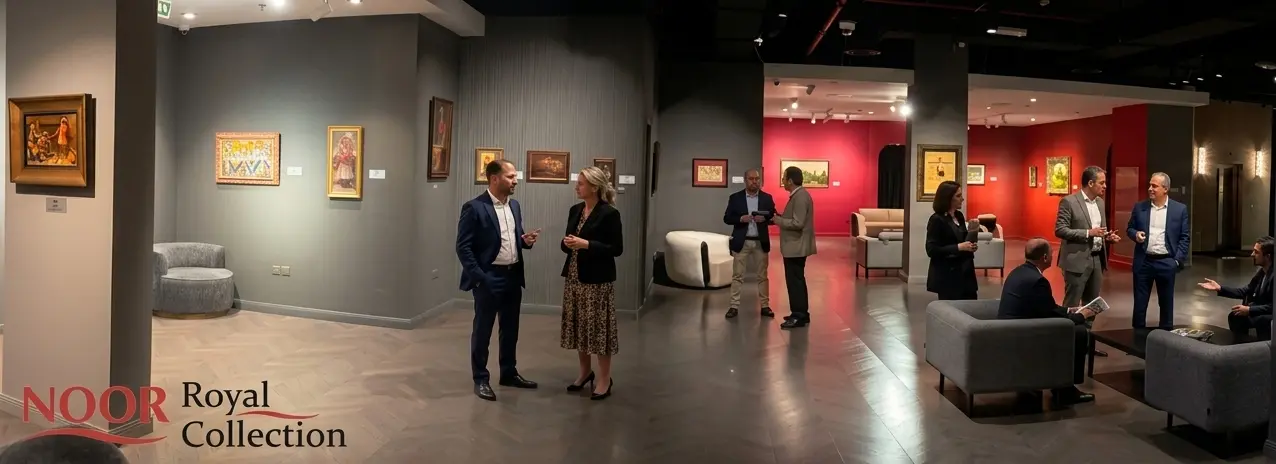
Research Before You Buy
Before purchasing an artwork, consider the following questions:
- Authenticity: What documentation supports the attribution to the named artist?
- Provenance: Is there a documented ownership history, where relevant?
- Condition: Has the work been professionally assessed, and are any repairs or restorations documented?
- Medium and edition: Is the piece an original, a print, a photograph, or another editioned work?
- Price and terms: What does the quoted price include, and what are the payment, delivery, and return conditions?
- Long-term care: Does the artwork require specialist framing, controlled lighting, or particular storage conditions?
These questions are useful whether you are purchasing a work by an emerging artist or considering a high-value historical piece. Documentation requirements vary according to the artwork, artist, market, and circumstances of the transaction. For significant acquisitions, independent advice from a qualified art specialist can provide additional reassurance.
Consider More Than Investment Potential
Art can be a financial asset, but its market value is not guaranteed to rise. Demand may change, resale can be difficult, and costs such as insurance, conservation, shipping, and storage can affect the overall economics of ownership. Collectors should therefore distinguish between enjoying an artwork, building a culturally meaningful collection, and pursuing financial returns.
A thoughtful collecting strategy starts with research and personal interest. Visit exhibitions, compare works, learn about artists, and ask informed questions before committing to a purchase. A museum visit may deepen your appreciation of a style or historical period, while a private art gallery may help you discover works that suit your collecting goals. Both experiences can contribute to better decisions.
Dubai’s Art Scene: Museums, Galleries, and Collecting Opportunities
Dubai’s art scene brings together international artists, regional creative communities, cultural institutions, commercial galleries, and collectors. The city’s cultural offering spans Emirati heritage, contemporary art, independent exhibition spaces, and international artistic perspectives. For cultural travelers, this creates opportunities to explore different forms of visual culture. For collectors, it provides a starting point for discovering artists, researching exhibitions, and learning about the local art market.
Public Museums and Art Institutions in Dubai
When searching for an art museum Dubai experience, it helps to distinguish dedicated art institutions from museums that focus on broader cultural and historical subjects.
The Etihad Museum is a public-facing museum dedicated to the history of the United Arab Emirates, with exhibitions that explore the country’s formation and development. Although it is not a dedicated fine-art museum, it can provide valuable context for visitors interested in the UAE’s national history and cultural identity.
Dubai’s broader cultural landscape also includes historic neighborhoods, cultural programs, and independent exhibition spaces. These venues serve different purposes, so visitors should check whether a particular destination focuses on collecting, heritage, contemporary exhibitions, or commercial sales.
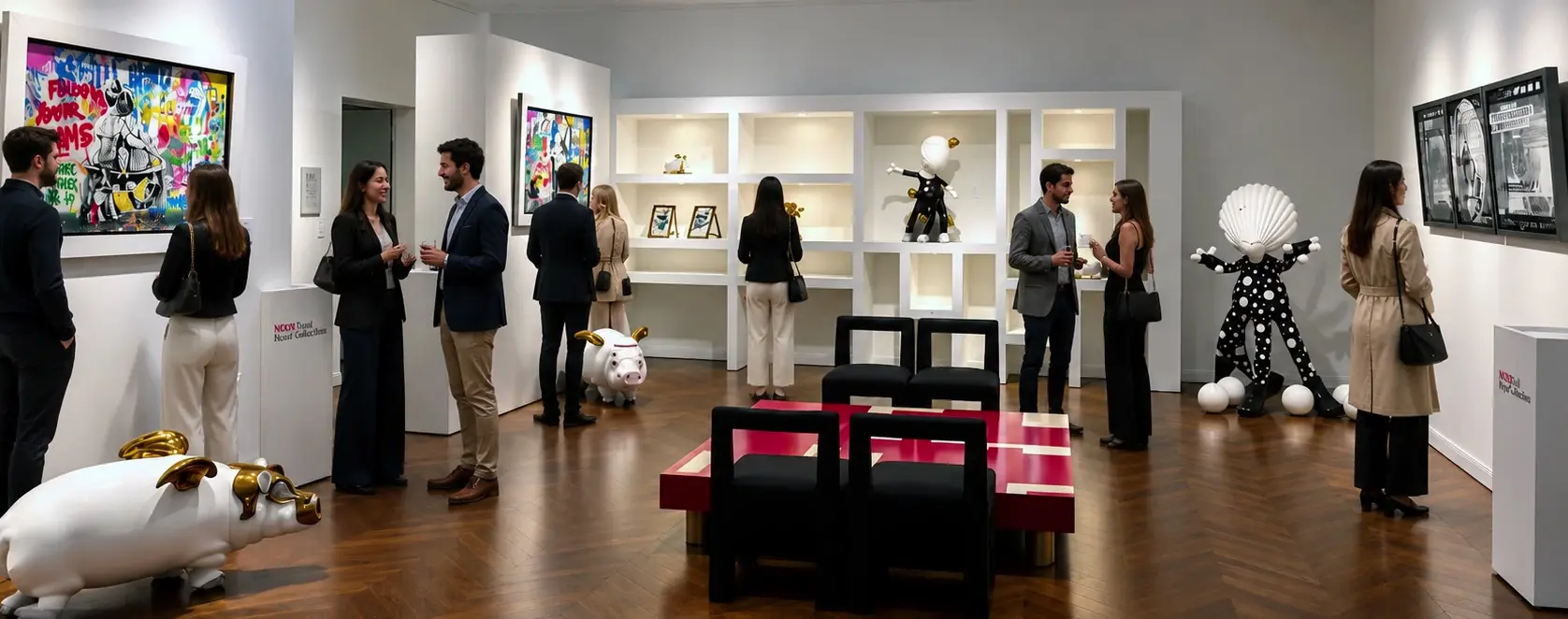
Private Art Galleries in Dubai
A private art gallery in Dubai can offer a different experience from a public museum or nonprofit art institution. Commercial galleries often focus on selected artists, curated exhibitions, and opportunities for collectors to enquire about available works. Depending on the gallery, visitors may encounter established names, emerging artists, contemporary pieces, historical works, or specialized collections.
Private galleries can be especially useful when you want to move from looking at art to researching a possible acquisition. Staff may explain the work’s background, discuss its availability, and outline the documentation and purchasing process. However, the services and expertise offered differ between businesses, so collectors should assess each gallery individually.
One option to explore is Noor Royal Collection, whose website presents gallery and museum collections, works by established and emerging artists, and services for collectors. Visitors can review the available collection information and exhibition content online before deciding whether to enquire further.
For collectors exploring Dubai’s luxury art market, it is useful to consider both public cultural institutions and private galleries. Museums and contemporary art centers can broaden your knowledge of artistic movements and ideas, while galleries can help you investigate particular works and potential purchases.
How to Choose an Art Gallery or Museum in Dubai
Before visiting, check the following:
- Exhibitions: Is the current program relevant to your interests?
- Collection: Does the venue present contemporary works, historical art, regional artists, or international collections?
- Access: Are admission, appointments, and opening hours clearly stated?
- Purchasing: Are works available for sale, or is the venue primarily educational or cultural?
- Collector services: Does the organization provide acquisition guidance, documentation, or collection-building support?
These practical checks help you plan a visit that fits your objectives rather than relying on a venue’s name alone.
Explore the Gallery and Museum at Noor Royal Collection to discover its collection and learn more about its approach to art and collector services.
Frequently Asked Questions: Art Gallery vs Museum
1-What is the difference between an art gallery and an art museum?
The main difference is their primary purpose. A commercial art gallery typically exhibits art to promote artists and facilitate sales, while an art museum generally focuses on collecting, preserving, researching, and interpreting artworks. Galleries can help collectors discover pieces available for purchase, whereas museums provide opportunities to study art and understand its cultural and historical context. Some institutions combine both functions, so it is worth checking their individual policies.
2-Are there art museums in Dubai?
Dubai has several public museums and contemporary art institutions, although not all are dedicated exclusively to fine art. Etihad Museum focuses on the history of the UAE, while Jameel Arts Center presents contemporary art through exhibitions, research, and educational programs. Visitors looking for a specific art museum Dubai experience should check current exhibitions and the institution’s focus before visiting.
3-Can you buy artwork from a private art gallery in Dubai?
Yes. Many commercial galleries offer original paintings, sculptures, photography, and other artworks for sale. Availability depends on the gallery, the artist, and the specific exhibition. Before purchasing, ask about authenticity, provenance, condition, pricing, and the documentation supplied with the artwork. If you are considering a significant acquisition, independent professional advice may also be appropriate.
4-What should collectors look for when comparing a gallery vs museum?
Collectors should first establish whether their goal is to acquire artwork or research it. A commercial gallery can provide information about available works, artist representation, prices, and purchasing arrangements. A museum can help collectors understand artistic movements, historical significance, and curatorial interpretation. Both can be valuable resources, but buyers should conduct their own due diligence before making a purchase.
5-What is the difference between a private art gallery and a public museum?
A private art gallery is typically operated by a business or private organization and may focus on exhibiting, promoting, and selling artworks. A public museum generally serves a broader educational and cultural mission, although its funding and governance structures can vary. Private galleries may offer direct purchasing opportunities, while museums focus on public access, research, conservation, and exhibitions. The distinction depends on the organization’s actual activities, not simply its name.
6-Is Noor Royal Collection a gallery or a museum?
Noor Royal Collection presents both gallery and museum offerings through its online platform, including artworks, collection information, and services for collectors. Its website describes a program spanning established and emerging artists, alongside collection-building and art advisory services. To understand its current exhibitions, available works, and purchasing arrangements, visit the official Noor Royal Collection website and contact the organization directly for details.
Conclusion:
Explore Art Galleries and Museums in Dubai
Understanding art gallery vs museum helps you make more informed choices as a visitor and collector. Museums and contemporary art institutions offer opportunities to explore cultural heritage, artistic movements, and curatorial perspectives. Commercial galleries provide a more direct route to discovering artworks that may be available for purchase, learning about artists, and investigating potential acquisitions.
Dubai offers opportunities to experience both sides of the art world, from public cultural institutions to private galleries and curated collections. Whether you are expanding your knowledge of fine art, planning a cultural visit, or researching a new addition to your collection, choose venues that match your interests and verify important details before making purchasing decisions.
Ready to discover art in Dubai? Explore the Gallery and Museum at Noor Royal Collection to browse its collections, explore its gallery and museum offerings, and learn more about its services for collectors.